
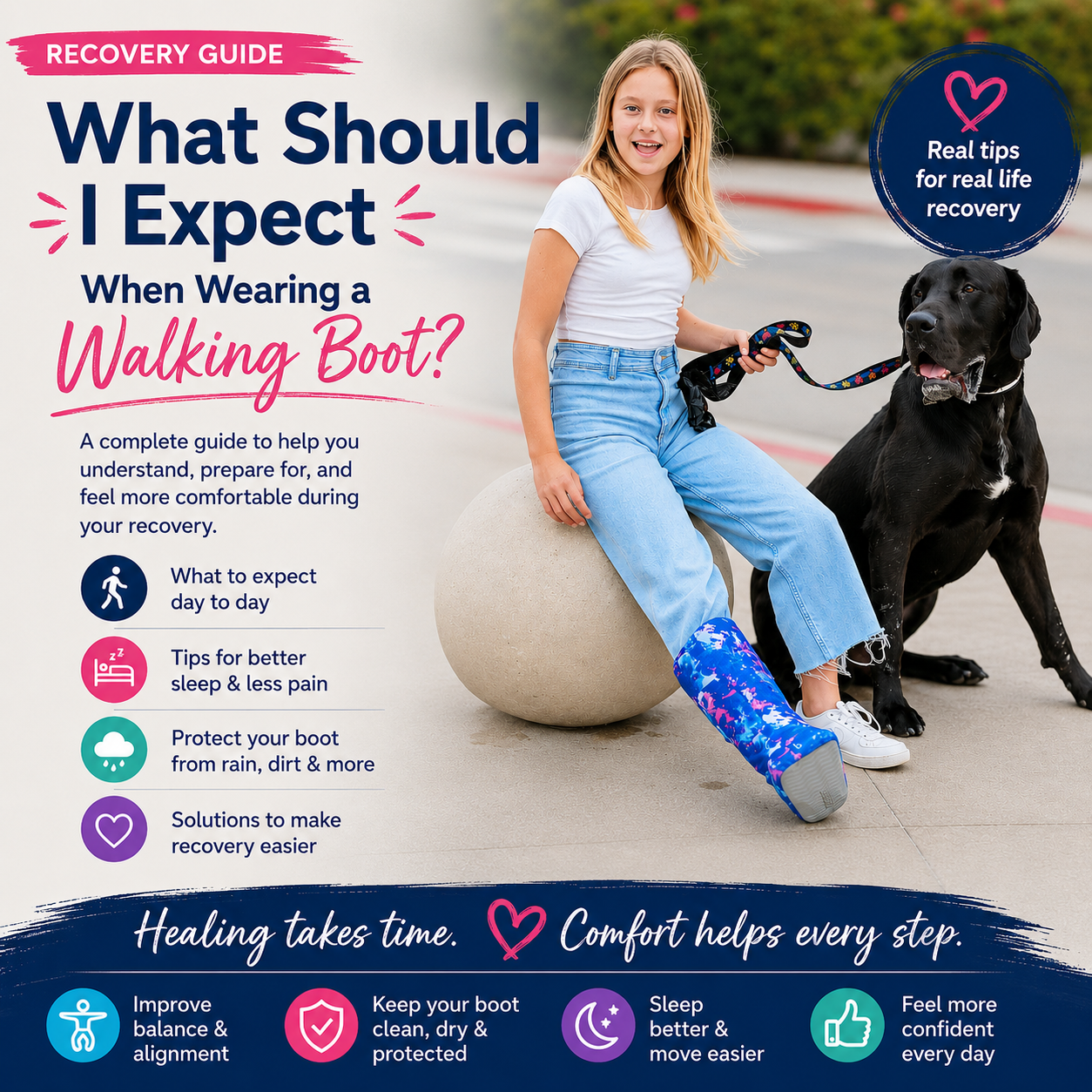
What Should I Expect When Wearing a Walking Boot?
Short Answer
Wearing a walking boot can help protect your foot, ankle, or lower leg while it heals, but it often comes with challenges that patients don't expect. Many people experience limping, hip or back discomfort, sleep difficulties, weather concerns, and frustration with the size and appearance of the boot. It's also common to feel awkward, self-conscious, or simply tired of having a large medical device attached to your leg. Understanding these challenges ahead of time can help make recovery feel more manageable.
What Is Happening?
A walking boot, sometimes called an orthopedic boot or CAM walker, is designed to stabilize and protect an injured foot, ankle, or lower leg while allowing limited mobility.
Walking boots are commonly prescribed for:
- Ankle fractures
- Foot fractures
- Stress fractures
- Achilles tendon injuries
- Severe sprains
- Post-surgical recovery
The goal is to reduce movement and protect the injured area while you continue many of your normal daily activities.
What many patients don't realize is that the recovery process involves much more than simply wearing the boot. The extra height, weight, bulk, and visibility of a walking boot can affect everything from how you walk and sleep to how you feel about leaving the house.
Why It Matters
Most people are prepared for the injury itself.
What often catches patients by surprise are the everyday frustrations that come with wearing a walking boot.
Common challenges include:
- Limping
- Uneven walking
- Hip pain
- Knee pain
- Lower back discomfort
- Difficulty sleeping
- Rain and weather concerns
- Velcro snagging clothing and bedding
- Dirt, dust, and pet hair
- Feeling awkward or self-conscious in public
For many people, the emotional side of recovery can be just as frustrating as the physical side.
At CastCoverz!, we've been helping orthopedic patients for more than 17 years. The company was founded by a mom whose daughter had broken her arm six times by the age of 10. Over the years, we've heard from thousands of patients navigating casts, walking boots, braces, and other orthopedic devices.
One theme appears again and again in customer reviews: people want to feel normal.
Many Bootz! Walking Boot Cover customers describe feeling frustrated by the appearance of their walking boot. Others mention feeling self-conscious at work, school, social events, family gatherings, or simply running errands. Some customers say they appreciated having a way to make their boot look cleaner, more personalized, and less like a medical device during recovery.
What May Help
Learn to Expect an Adjustment Period
Most people need time to adapt to walking in a boot. Activities that once felt automatic may suddenly require more effort and attention.
Pay Attention to Uneven Walking
Walking boots elevate one side of the body higher than the other. This difference in height can affect your hips, knees, and lower back.
Protect Your Boot From Everyday Wear
Walking boots encounter dirt, pet hair, rain, mud, sand, and everyday messes. Keeping the boot clean can improve comfort and extend its appearance throughout recovery. Many patients use Bootz! Walking Boot Covers to help protect their boot from everyday wear while also adding a more personalized, stylish look that helps the boot feel less like a medical device. Customers say the cover not only helped protect their boot, but also made them feel more confident and comfortable in public by making the boot look cleaner, more polished, and more like part of their outfit.
Prioritize Sleep Comfort
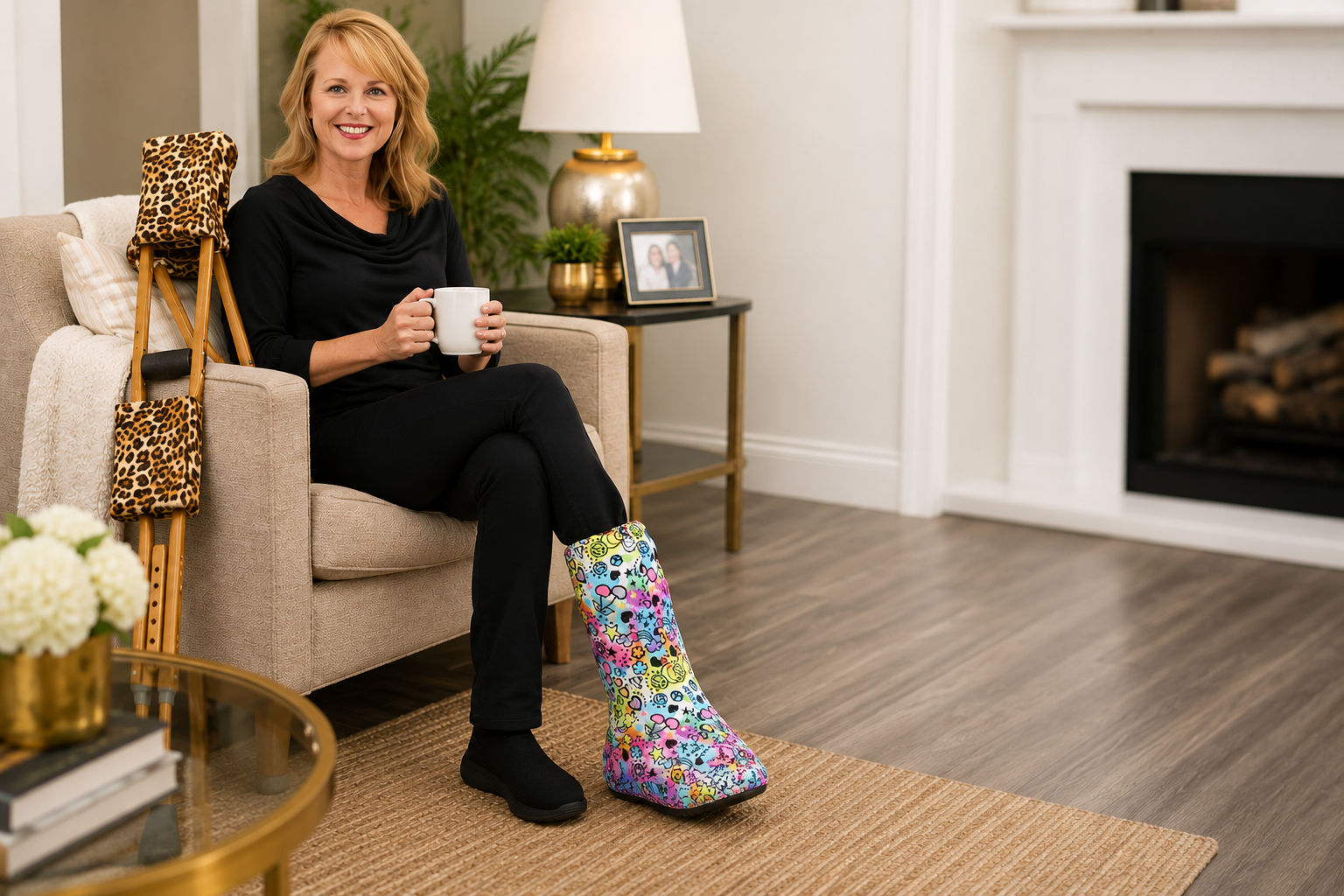
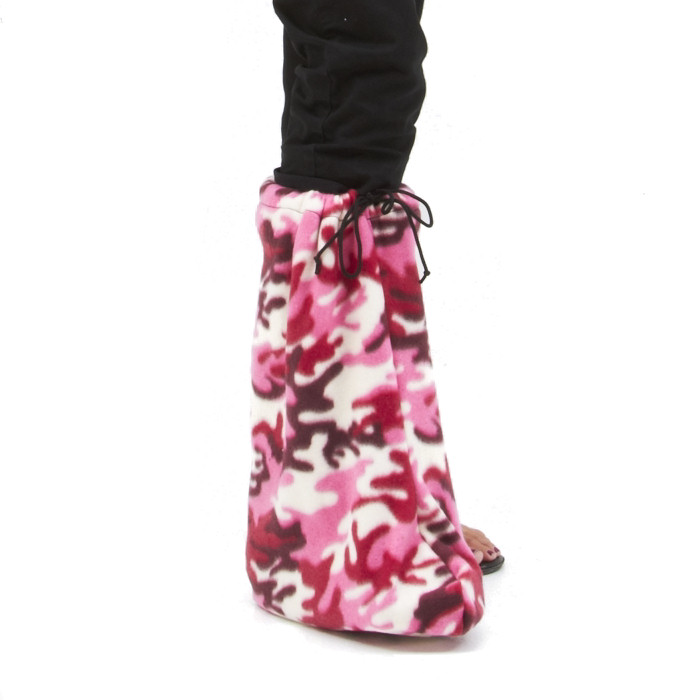
Some boots are prescribed to be worn 24/7, which means sleeping in them. Many patients report that nighttime is when recovery feels most challenging. Finding ways to prevent snagging, scratching, and discomfort can make sleeping easier. That’s why Sleeping Bagz! Soft Walking Boot Sleep Cover was created!
Don't Ignore New Pain
If you develop significant pain, swelling, numbness, pressure sores, or concerns about your recovery, contact your healthcare provider.
Common Walking Boot Problems
Why Does My Walking Boot Cause Hip, Knee, and Back Pain?
Walking boots often create a temporary leg length discrepancy because one side of the body is elevated higher than the other. This can affect walking mechanics and contribute to discomfort in the hips, knees, and lower back.
Related Recovery Resource:
Why Does My Walking Boot Cause Hip, Knee and Lower Back Pain?
Why Am I Limping in My Walking Boot?
A walking boot changes the natural motion of your foot and ankle. Combined with the height difference created by the boot, many patients develop a temporary limp during recovery.
Why Does My Walking Boot Stick to Everything?
One of the most common complaints from patients is Velcro snagging blankets, clothing, furniture, and pet hair.
Related Recovery Resource:
Why Does My Walking Boot Stick to Everything?
Can I Wear a Walking Boot in the Rain?
Most walking boots are not waterproof. Rain, snow, puddles, and wet weather can make the boot uncomfortable and difficult to keep clean.
Related Recovery Resource:
Can I Wear a Walking Boot in the Rain?
How Do I Sleep With a Walking Boot?
Sleeping with a walking boot can be challenging, especially if the boot catches on bedding or makes it difficult to find a comfortable position. Always follow your provider's instructions regarding whether the boot should be worn while sleeping.
How Do I Keep My Walking Boot Clean?
Walking boots collect dirt, dust, pet hair, mud, sand, and everyday debris surprisingly quickly. Regular cleaning and protective covers can help maintain comfort throughout recovery.
Helpful Products
Recovery looks different for everyone, but many patients find certain products helpful for addressing common walking boot frustrations.
For Hip, Knee, and Back Pain
An Evenup shoe balancer may help address the height difference created by a walking boot and promote more even walking alignment.

For Keeping the Boot Clean
Bootz! Walking Boot Covers help protect walking boots from dirt, dust, pet hair, and everyday wear.
For Rain, Snow, and Cold Weather
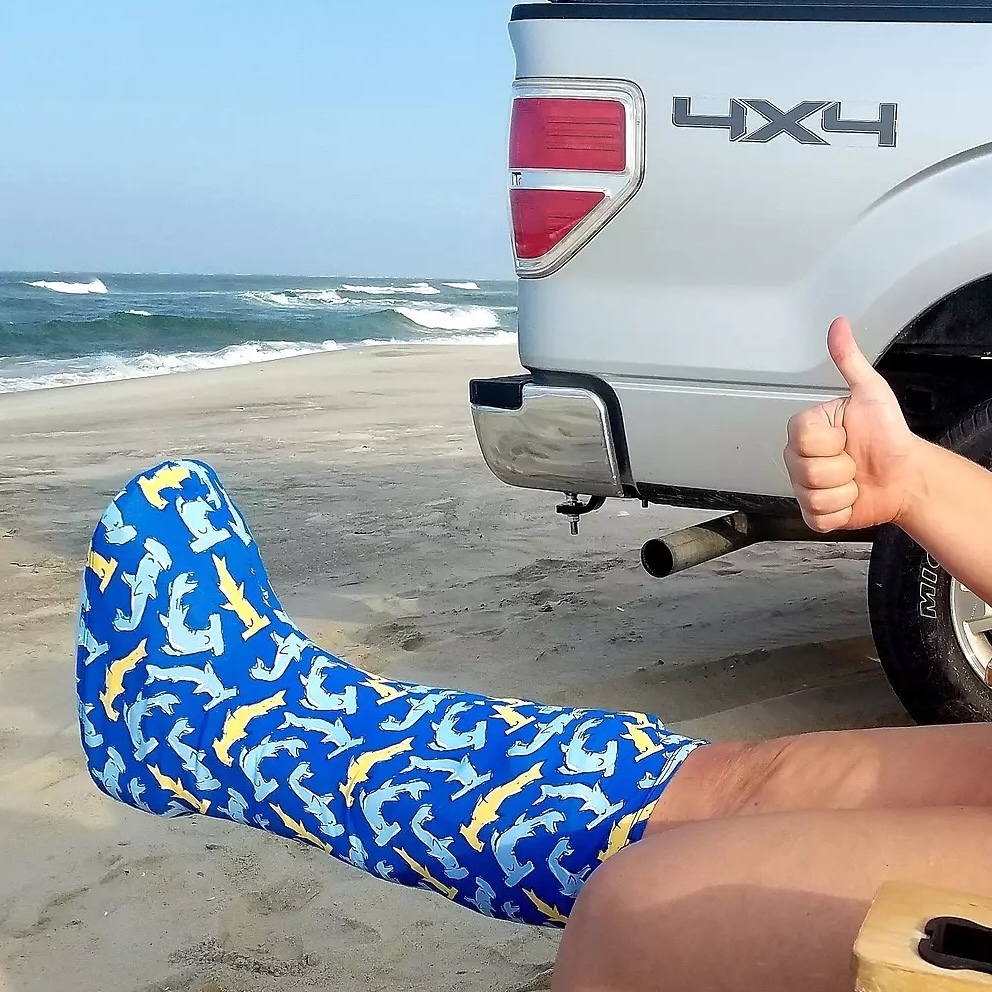
BootGuardzXtreme! Cold Weather Covers provide additional protection from rain, snow, slush, dirt, and cold weather conditions.

FAQs
How long will I wear a walking boot?
The length of time varies depending on the injury and your provider's recommendations. Some patients wear a boot for a few weeks, while others may need it for several months.
Is it normal to limp in a walking boot?
Yes. Many patients limp initially because the boot changes walking mechanics and creates a difference in leg height.
Can a walking boot cause hip pain?
Yes. Uneven walking and leg length discrepancy can contribute to hip discomfort during recovery.
Can a walking boot cause knee pain?
Yes. Changes in gait and body alignment can place additional stress on the knees.
Can a walking boot cause back pain?
Yes. The height difference created by the boot can affect posture and walking mechanics, which may contribute to lower back discomfort.
Can I wear a walking boot in the rain?
Most walking boots are not waterproof. Additional weather protection may help keep the boot cleaner and drier.
Why does my walking boot stick to my blankets?
The Velcro on many orthopedic walking boots can catch on bedding, clothing, and fabrics.
How do I keep my walking boot clean?
Regular cleaning and protective covers can help reduce dirt, dust, pet hair, and daily wear.
Can I sleep in a walking boot?
Follow your healthcare provider's instructions. Some patients are instructed to sleep in the boot, while others are not.
When should I call my doctor?
Contact your provider if you experience increased pain, significant swelling, numbness, skin irritation, pressure sores, or concerns about healing.
Healing takes time, but comfort can help every step (and every night) feel a little easier. If you have any questions, give us a call at 1-800-CASTCOVER (9am-2 pm PST, M-F) or email cs@castcoverz.com.