
Short Answer
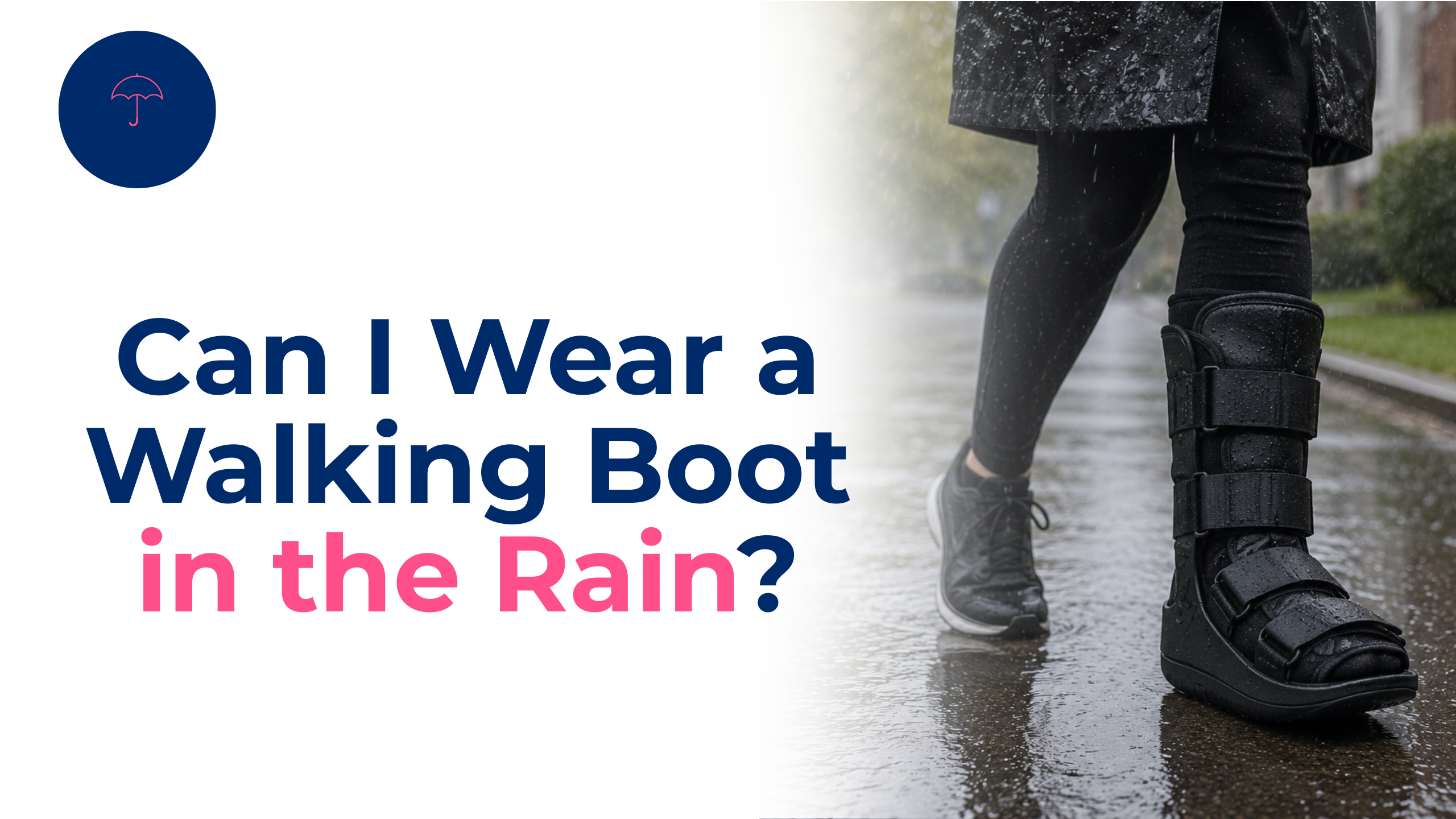
Yes, you can wear a walking boot in the rain, but most orthopedic walking boots are not designed to be waterproof. Rain, puddles, snow, and slush can soak the fabric and padding of the boot, making it uncomfortable and potentially affecting your recovery experience. Using a weather-resistant cover can help protect your boot from moisture, dirt, and cold weather when you need to be outdoors.
What Is Happening?
Walking boots are commonly prescribed for foot, ankle, and lower leg injuries because they help stabilize and protect the injured area while it heals. However, most walking boots are made with fabric, foam padding, Velcro straps, and rigid plastic shells that are not fully waterproof.
When you're outside in rainy weather, water can seep into the fabric portions of the boot or soak the padding around your foot and ankle. Even a short walk through wet grass, puddles, or slushy sidewalks can leave your boot damp.
Many patients are surprised to discover that recovering in a walking boot can become much more challenging when bad weather arrives.
Why It Matters
A wet walking boot can create several practical problems during recovery:
- Discomfort: Damp padding can feel cold, heavy, and uncomfortable against your skin.
- Odors and Moisture Build-Up: Moisture trapped inside the boot may lead to unpleasant odors and make the boot feel less fresh between uses.
- Dirt and Stains: Rain often brings mud, dirt, and debris that can quickly make a walking boot look worn and dirty.
- Cold Weather Challenges: During colder months, rain, snow, and slush can make your foot feel colder while you're already dealing with limited mobility and recovery.
- Everyday Frustration: Many orthopedic patients still need to work, attend appointments, coach sports, run errands, or care for family members. Staying indoors every time it rains is usually not realistic.
What May Help
While it's always important to follow your healthcare provider's instructions regarding your specific injury and walking boot, many patients find it helpful to take a few practical precautions when heading outdoors.
- Avoid Deep Water: Try to avoid puddles, standing water, and wet grass whenever possible.
- Allow Moisture to Dry: If your boot becomes damp, remove any removable liners (if permitted by your provider) and allow the boot to dry thoroughly before wearing it again.
- Keep the Boot Clean: Regularly wiping down the exterior of your walking boot can help prevent dirt buildup and keep the Velcro functioning properly.
- Use Weather Protection: If you'll be spending time outdoors in rain, snow, or cold weather, using a protective cover designed specifically for orthopedic walking boots can help shield the boot from the elements.
Helpful Products
For patients recovering during rainy, snowy, or cold weather, a protective cover such as the BootGuardzXtreme! Cold Weather Cover for Orthopedic Walking Boots may help keep the exterior of the boot cleaner, drier, and more protected from everyday weather conditions.
Unlike temporary solutions such as plastic bags, weather covers are designed to fit over orthopedic walking boots while allowing you to continue normal daily activities. Many patients use them when commuting to work, attending outdoor events, walking between appointments, or navigating wet parking lots and sidewalks.

FAQs
Can a walking boot get wet?
Most walking boots are not completely waterproof. Rain, puddles, snow, and wet surfaces can allow moisture to soak into the fabric and padding.
What happens if my walking boot gets wet?
A wet boot may become uncomfortable, cold, dirty, or develop odors if moisture remains trapped inside for long periods.
Can I wear a walking boot in the snow?
Many patients do wear walking boots in snowy conditions, but additional weather protection may help keep the boot cleaner and drier.
Is it okay to put a plastic bag over my walking boot?
Some people use plastic bags as a temporary solution, but they can be slippery, tear easily, and may not provide reliable protection during everyday activities.
How do I keep my walking boot clean outside?
Avoid muddy areas when possible, wipe down the exterior regularly, and consider using a protective cover during poor weather conditions.
Can rain damage my walking boot?
Occasional exposure to light rain may not cause significant damage, but repeated soaking can affect the comfort and cleanliness of the boot.
Should I wear a weather cover over my walking boot?
Many patients find weather covers helpful when recovering during rainy, snowy, or cold seasons because they provide an additional layer of protection.
Can I wear my walking boot in cold weather?
Yes. However, cold temperatures, wind, snow, and moisture may make the boot less comfortable without additional protection.
Related Recovery Resources
- Why Does My Walking Boot Cause Hip, Knee and Lower Back Pain?
- Why Does My Walking Boot Stick to Everything?
- Everything You Need to Know About Wearing a Walking Boot
Healing takes time, but comfort can help every step (and every night) feel a little easier. If you have any questions, give us a call at 1-800-CASTCOVER (9am-2 pm PST, M-F) or email cs@castcoverz.com.
Medical Disclaimer: You Heal Here provides educational information and practical recovery support for orthopedic patients and caregivers. This information is not a substitute for medical advice, diagnosis, or treatment. Follow your healthcare provider’s instructions for wearing, removing, cleaning, and drying your walking boot. Contact your provider if the boot becomes soaked or damaged, or if you experience worsening pain, numbness, tingling, skin irritation, pressure sores, unusual swelling, or other concerning symptoms.