It's FriYAY!!! :) FREE SHIPPING & NO MINIMUMS! WOW! Ends Tonight, FriYAY the 16th!! USA D2C on-line orders only.
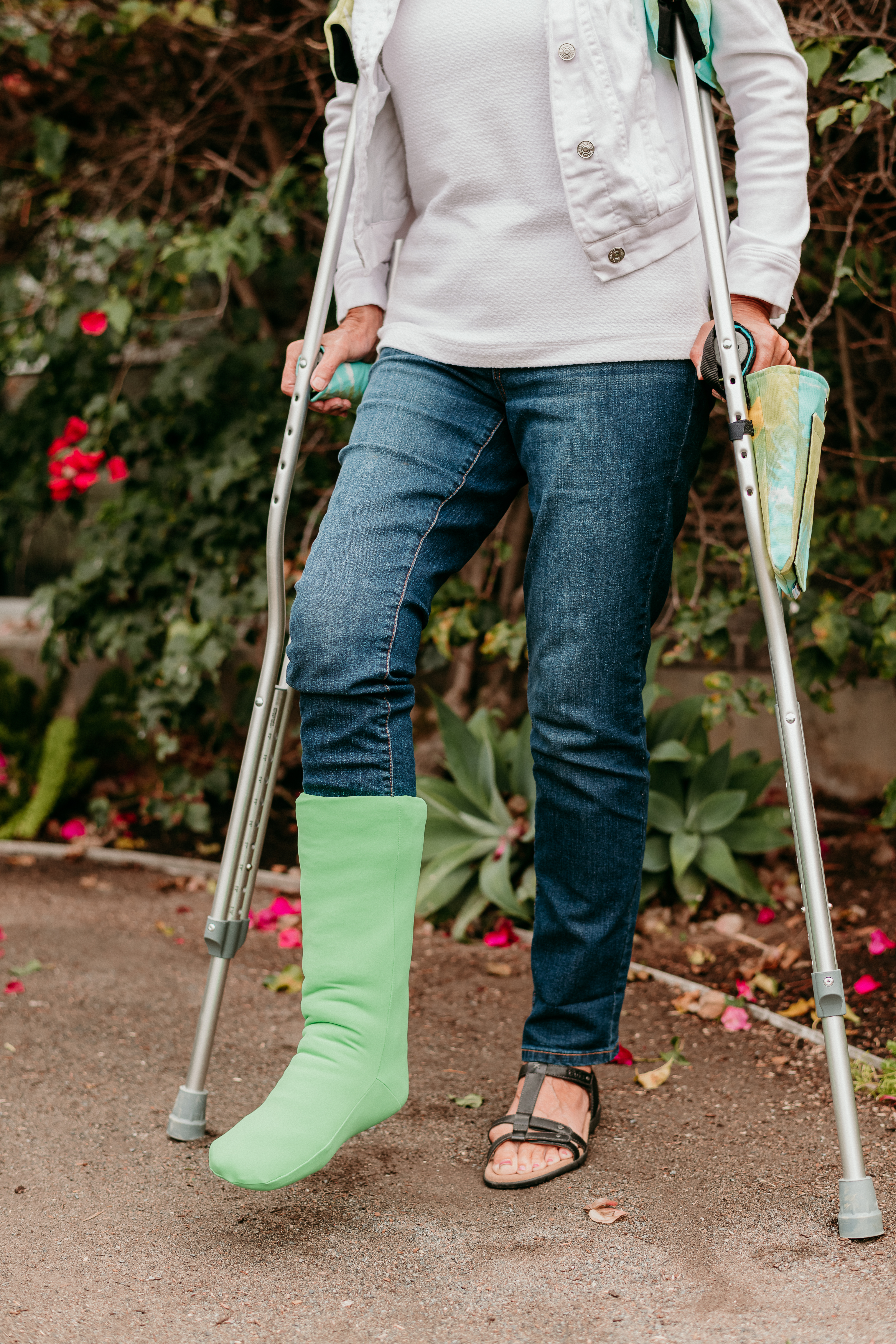
A leg injury changes more than how you walk. It changes how you move through your entire day. Getting dressed, taking a shower, climbing stairs, going to work, and even carrying a cup of coffee suddenly take more thought than they used to. If you're feeling frustrated or overwhelmed, you're not alone. This guide is here to help you navigate everyday life while you heal, one step at a time.
At You Heal Here, we believe recovery is about more than healing bones. It's about helping you continue living your life while your body heals. Whether you're recovering from a fracture, severe sprain, surgery, or another foot or ankle injury, this guide will walk beside you through the everyday challenges of recovery, with practical advice, real-world solutions, and encouragement from people who truly understand what you're going through.
Because healing happens at home.
Biggest Challenge: Getting around safely while protecting your injured leg and maintaining your independence.
Most Common Questions: How do I use crutches? When can I put weight on my leg? How do I shower? How can I sleep comfortably?
What Helps Most: Following your healthcare provider's weight-bearing instructions, managing swelling, taking your time, and making small adjustments to your daily routine.
Good News: The first week is usually the biggest adjustment. As you settle into a routine, most patients find that walking and everyday activities become much easier.
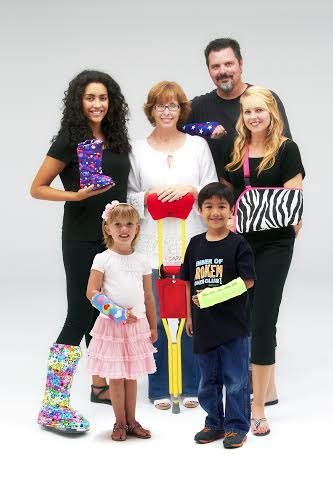
Most recovery resources explain your injury. You Heal Here helps you navigate your life.
Your orthopedic provider is your trusted source for medical diagnosis, treatment, and healing. We're here for everything that happens after you leave the office. The questions that arise at home, at work, during travel, or in the middle of the night when you're searching for answers no one mentioned at your appointment.
For more than 17 years, the team behind CastCoverz! and You Heal Here has supported thousands of orthopedic patients through recovery. We've listened to their frustrations, celebrated their victories, and learned that some of the biggest challenges aren't medical at all, they're the everyday moments that suddenly become harder.
That's why You Heal Here was created. Welcome. We're glad you're here.
Helping You Live Life While You Heal.
Recovery looks different for everyone, but many patients share similar experiences along the way. Some days you'll feel like you're making great progress. Other days may be more challenging. That's normal. Healing takes time, and confidence usually returns little by little as everyday tasks become easier again.
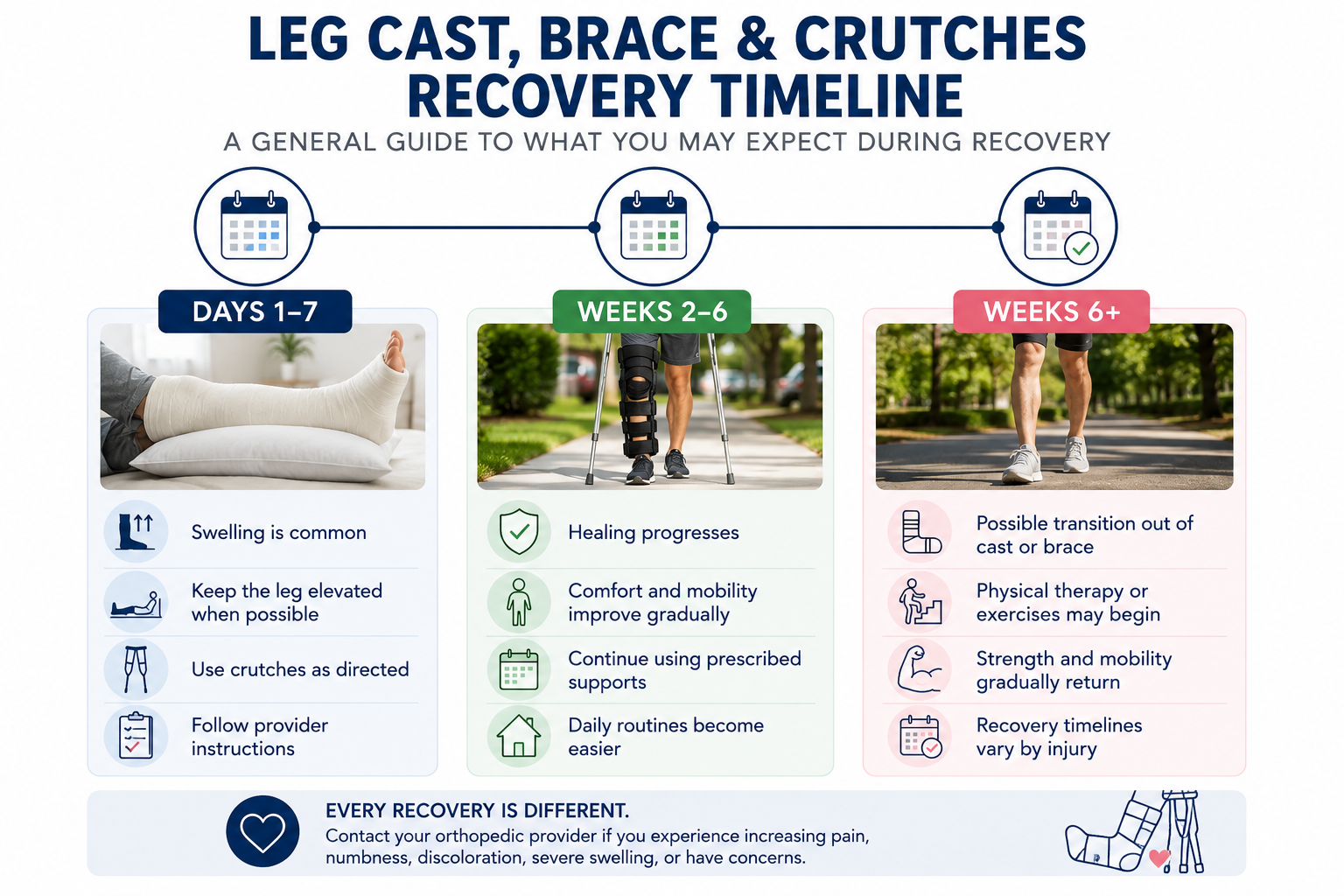
One of the biggest surprises about wearing a leg cast, brace or crutches is realizing how many ordinary activities suddenly require a little extra thought.
Whether you're heading to work, taking care of your family, traveling, or simply trying to get comfortable at home, the small challenges of everyday life can sometimes feel bigger than the injury itself.
The good news? Most patients find that a few simple adjustments can make daily life much easier.
Your home may suddenly have obstacles you never noticed before. Throw rugs, stairs, clutter, and slippery floors can all make getting around more challenging. A few small adjustments can help you move more safely and confidently.
Pants, socks, shoes, and even underwear can feel surprisingly difficult after a leg injury. Choosing comfortable clothing and getting dressed in the right order can make your mornings much easier.
Driving isn't always possible while wearing a cast or brace, especially if your right leg is injured. Your healthcare provider can tell you when it's safe to drive again and what factors to consider before getting behind the wheel.
Long walks through airports, standing in lines, loading groceries into the car, or navigating unfamiliar places can be more tiring than expected. Whenever possible, give yourself extra time, accept help when it's offered, and remember that slowing down for a few weeks is part of taking care of yourself.
Getting comfortable can be one of the biggest challenges after a leg injury. Elevating your leg, protecting your cast or brace, and finding the right sleeping position can help you get the rest your body needs while it heals.
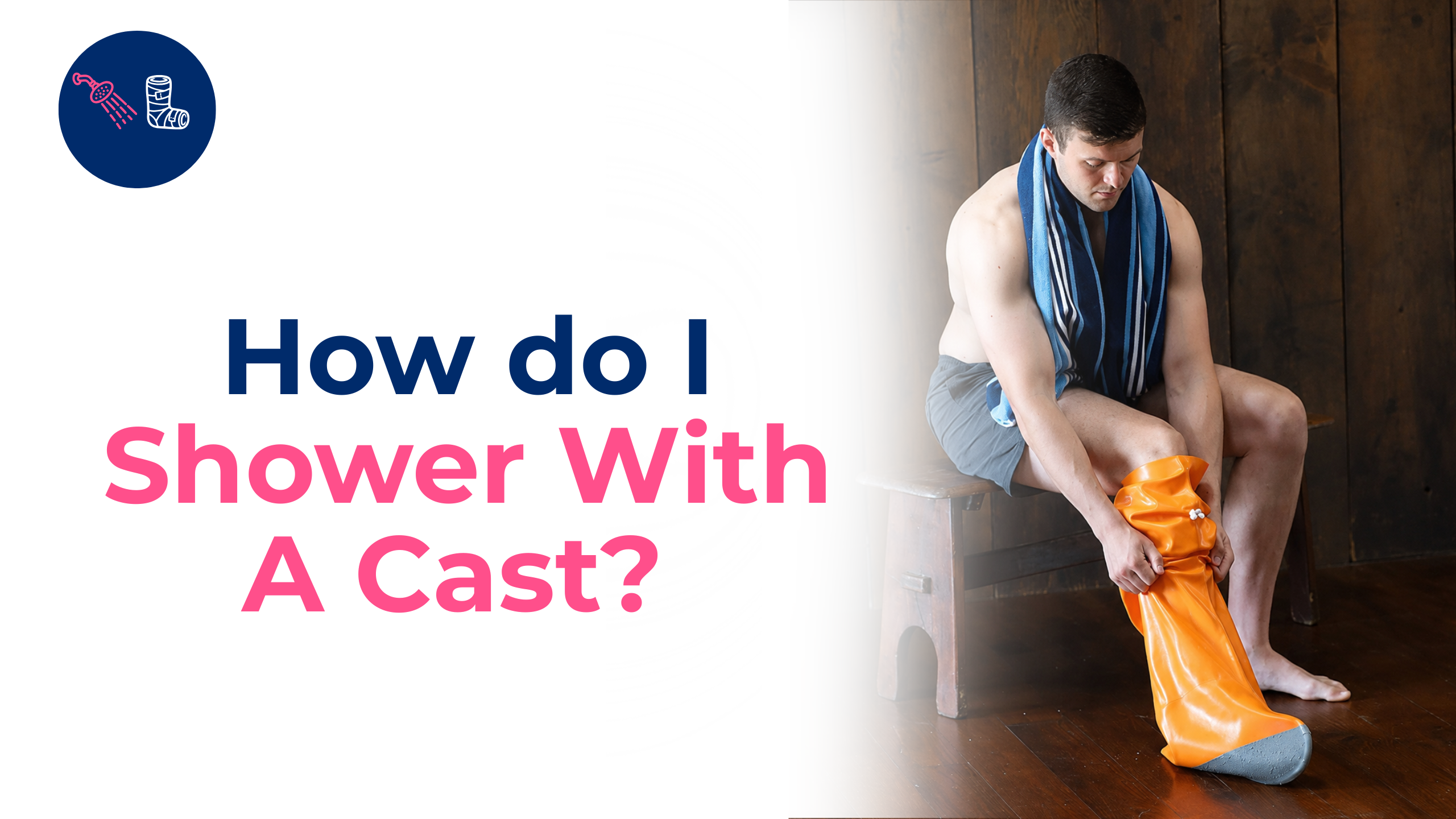
Keeping your cast or brace dry while staying clean takes a little planning, but it quickly becomes part of your routine. A few simple precautions can make showering safer and less stressful.
Swelling is common after a leg injury, especially during the first few days or after you have been upright for a while. Elevating your leg as directed, resting, and following your healthcare provider’s instructions can help. Contact your provider if the swelling suddenly worsens or is accompanied by increasing pain, numbness, or changes in skin color.
Itching inside a cast can be incredibly frustrating, but inserting objects or pouring powders or lotions inside can injure your skin. Cool air from a hair dryer on the no-heat setting or a cast-cooling device may provide relief. If the itching becomes severe or is accompanied by burning, odor, or drainage, contact your healthcare provider.
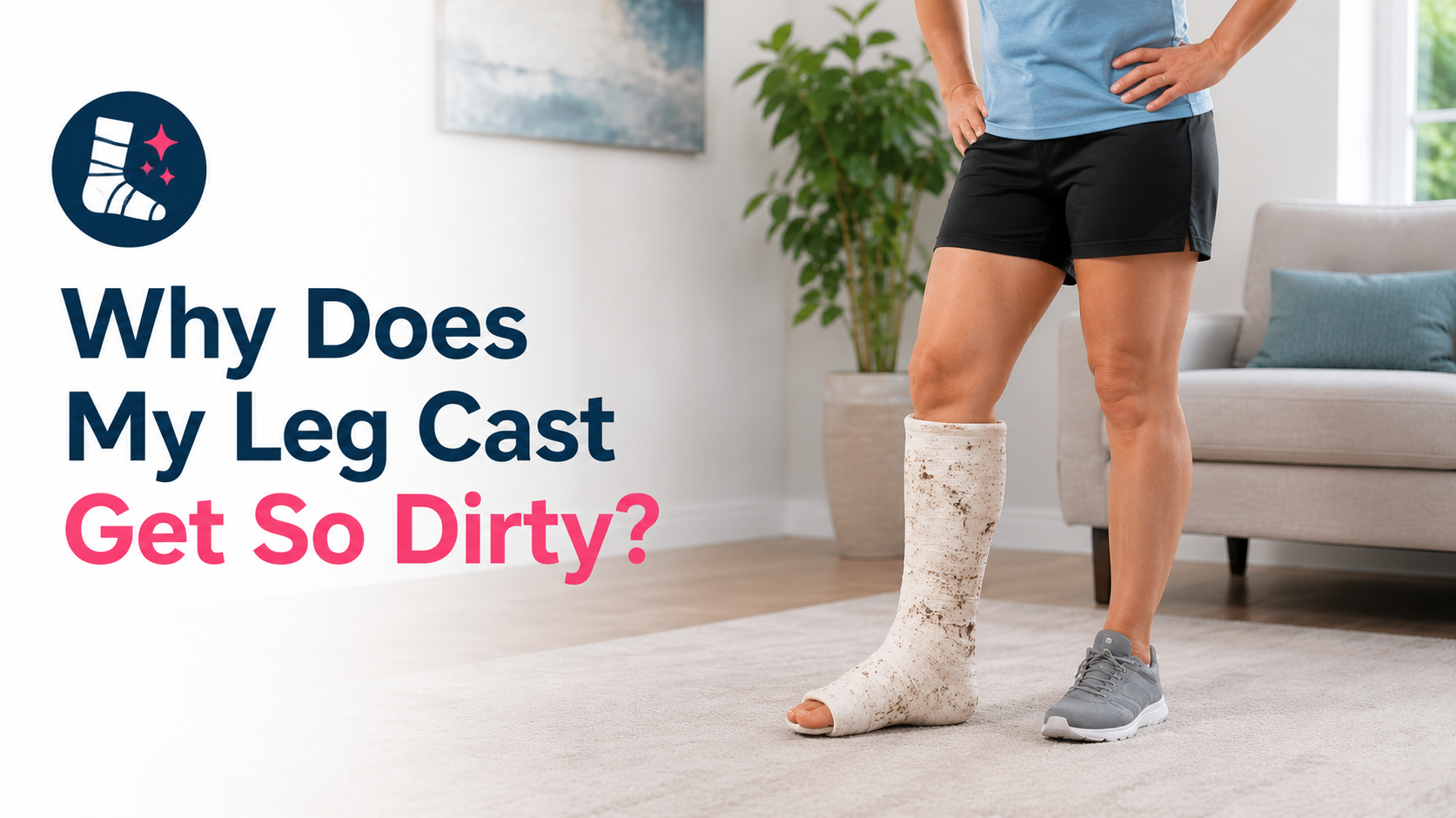
A wet cast can soften, lose its shape, and trap moisture against your skin. If your cast becomes damp or soaked, contact your healthcare provider for instructions rather than attempting to dry it with heat. Protecting it with a properly fitted waterproof cast cover can make showering and being outdoors much less stressful.
A leg or knee brace may slip when swelling changes, straps loosen, or the brace is not fitted correctly. Check that you are wearing it according to your provider’s instructions and that the straps are secure without being painfully tight. If it continues to move or causes rubbing, ask your provider whether the fit needs to be adjusted.
Using crutches can leave your hands, wrists, and underarms feeling sore, especially during the first few days. Your weight should be supported primarily through your hands, not your armpits, and the crutches should be adjusted to your height. Padded handgrips and crutch covers can also make everyday use more comfortable.
Carrying even a phone or cup of coffee can become difficult when both hands are occupied by crutches. A backpack, crossbody bag, or securely attached crutch bag can help keep essentials within reach while leaving your hands free. Avoid carrying open drinks or anything that could interfere with your balance.
While many frustrations are a normal part of recovery, some symptoms deserve prompt medical attention. If you experience increasing pain, significant swelling, numbness, changes in skin color, new pressure sores, or concerns about your healing, contact your orthopedic provider right away. Your healthcare team is always the best source of medical advice for your specific recovery.
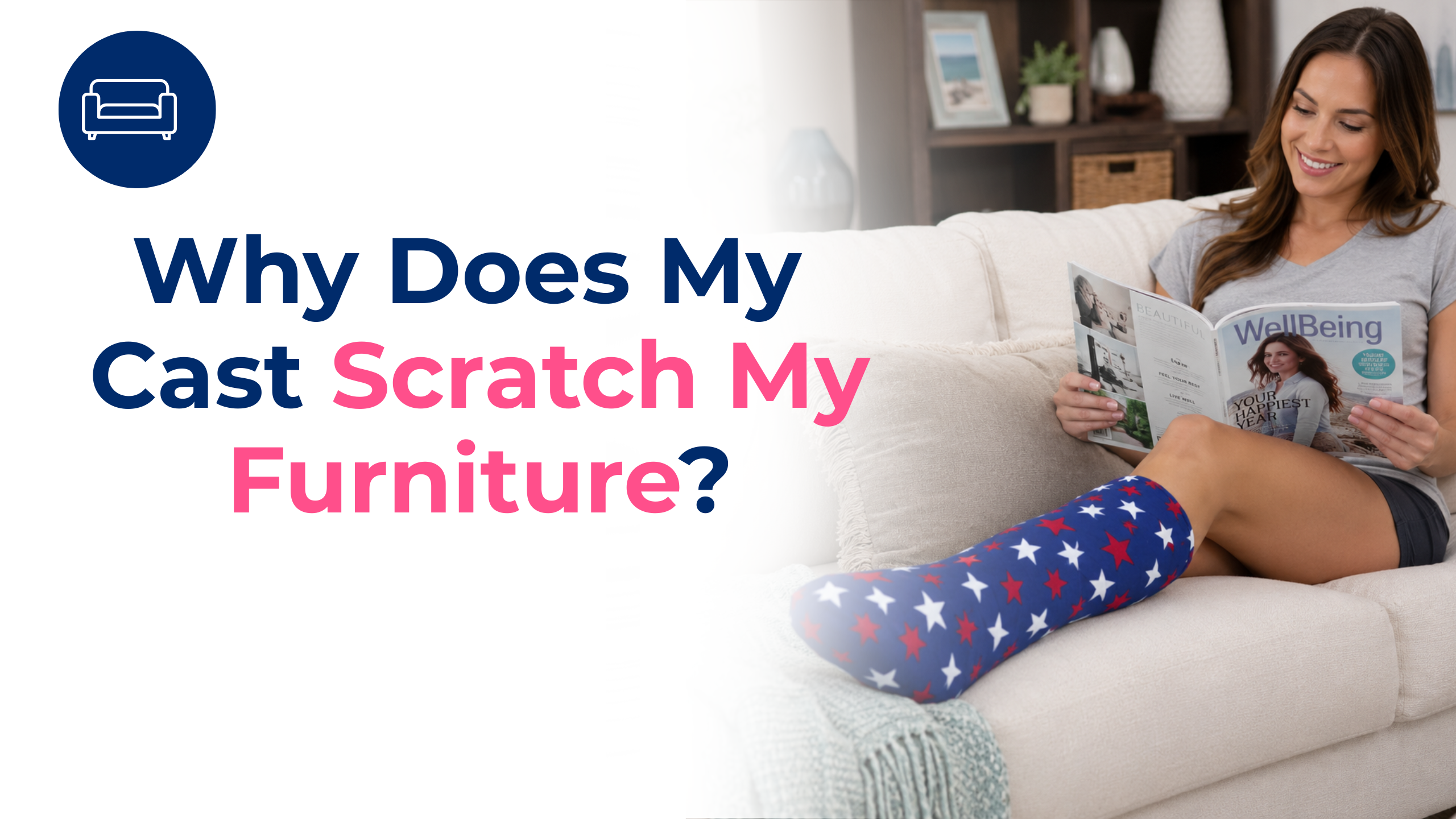
Protect your clothing, furniture, and skin from rough cast edges while keeping your cast cleaner and showing off your style.
Add padded covers to your crutch tops and handgrips for greater comfort, plus an optional hands-free bag for carrying your phone, keys, water bottle, and other essentials.
Cover rough cast edges with soft microfiber or fleece to help protect your skin, your partner, and your bedding while making rest feel warmer and more comfortable.
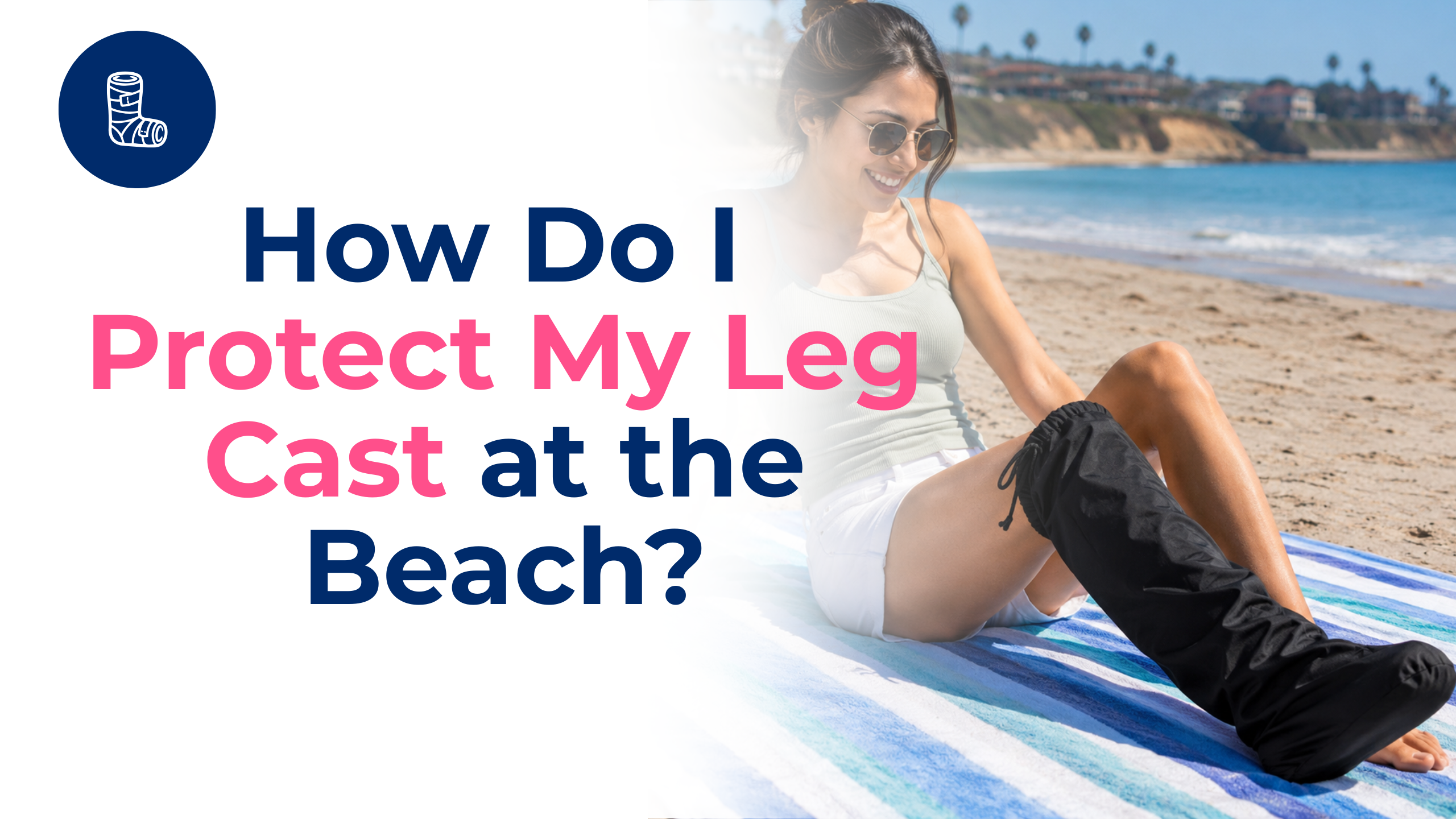
Help keep your leg cast, brace, bandages, and toes clean and dry with a weatherproof cover designed for protection from rain, slush, snow, and sand.
Note: We don't recommend products simply because we make them. We recommend them because they solve everyday problems we've heard from orthopedic patients for more than 17 years. If a product helps make recovery a little more comfortable, a little cleaner, or a little less frustrating, it's worth sharing. Whether you choose our products or another solution, our goal is the same: Helping You Live Life While You Heal.
Over the past 17+ years, we've had the privilege of hearing from thousands of people recovering from fractures, surgeries, sprains, and other orthopedic injuries. While every injury is different, the stories we hear often have something in common. Patients rarely tell us about X-rays or diagnoses. They tell us about life.

Crutching around in Style!
The cover set is an attractive and useful tool. My crutches are more comfortable to use now. I have received many compliments. People are astonished with the cover set! I was too, when I saw it! Thank you so much
I love my CastCoverz!
I purchased two leg CastCoverz. They’re easy to put on and take off. They have stood up to me hobbling around on them. They’re nice and silky so they don’t catch on my clothes and bedding like my cast tends to. I would definitely purchase these again!
Great quality
The castcoverz were a lifesaver! I sleep so much better because my cast is no longer snagging on my sheets at night or when I'm trying to dress. Very comfortable, keeps my toes warm!
Second time buyer. Quality is second to none.
My son has had multiple surgeries on his foot, this product allows him to continue to enjoy playing outside without worries of damaging his cast. Holds up too weather as well as the wear and tear he puts it through.
You don't have to have all the answers today.
Every person heals differently, but one thing we've learned from thousands of orthopedic patients is this:
The challenges you're experiencing are often the same ones someone else faced just a few weeks ago. You're not the first person to wonder if walking will ever feel normal again. You're not the first person to struggle with sleeping. You're not the first person to feel frustrated.
And you won't be the last person to discover that recovery gets a little easier with time.
Some swelling is common, especially during the first few days and after you've been on your feet. Elevating your leg and following your healthcare provider's instructions may help reduce swelling. If swelling suddenly becomes severe or is accompanied by unusual pain or other concerning symptoms, contact your healthcare provider.
That depends on your injury and the type of cast or brace you're wearing. Some are designed for walking, while others require you to avoid putting weight on your leg. Always follow your provider's weight-bearing instructions.
Every recovery is different. Some people use crutches for only a short time, while others may need them for several weeks or longer. Your healthcare provider will let you know when it's safe to transition away from them.
Most traditional casts should stay dry unless your healthcare provider tells you otherwise. Waterproof cast covers and other protective products can make showering easier during recovery.
Driving depends on which leg is injured, the type of recovery device you're wearing, and whether you can safely control your vehicle. Always wait until your healthcare provider says it's safe to drive.
Healing takes energy. It's common to feel more tired than usual, especially during the first few weeks of recovery. Rest is an important part of the healing process.
Contact your healthcare provider if you notice increasing pain, significant swelling, numbness, changes in skin color, a damaged cast or brace, or any symptoms that concern you. When in doubt, it's always best to ask.
Healing takes time, but comfort can make each day of recovery feel a little easier.
Your healthcare provider is the best source for medical advice, treatment instructions, and decisions about your injury. You Heal Here is here for everything that happens in between—the sleeping, showering, walking, working, traveling, dressing, adjusting, and living that still has to happen while you heal.
If this guide helped you feel more prepared, less overwhelmed, or simply reminded you that you are not alone, then it has done exactly what You Heal Here was created to do.
Helping You Live Life While You Heal.
Have questions about living with a cast, brace, sling, or walking boot?
Call us at 1-800-CASTCOVER
Monday–Friday, 9 a.m.–2 p.m. PT
Or email cs@castcoverz.com
You Heal Here provides practical recovery support and everyday living guidance, but it is not a substitute for medical advice. Always follow your healthcare provider's instructions.