
Using crutches after an injury can feel exhausting, especially when your recovery starts causing pain in completely different places.
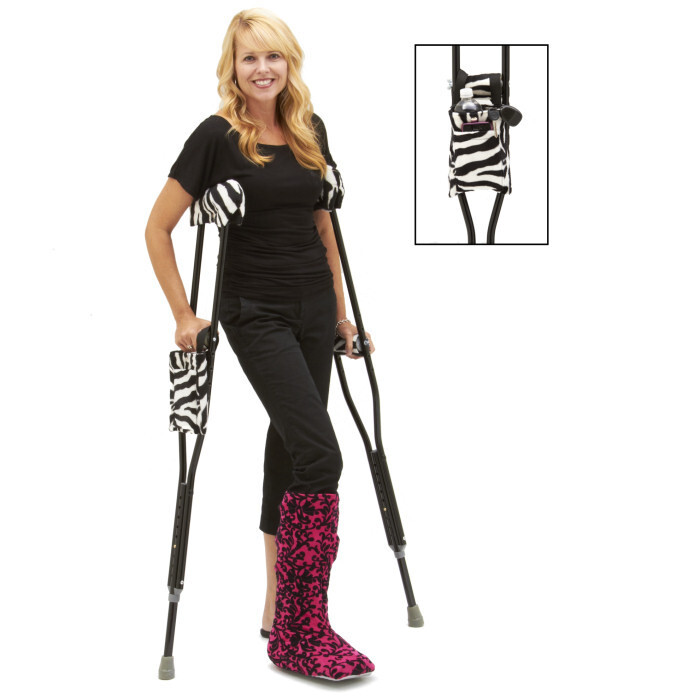
Many orthopedic patients are surprised when, after just a few days on crutches, they begin experiencing:
- sore hands
- painful palms
- irritated underarms
- shoulder fatigue
- rubbing or chafing
- wrist discomfort
- pressure under the arms
If this sounds familiar, you are definitely not alone.
At CastCoverz!, we’ve spent more than 17 years helping orthopedic patients recover more comfortably with practical, real-life comfort solutions. Proudly MADE IN THE USA, CastCoverz! was invented by a mom navigating orthopedic recovery challenges with her own family.
Why Crutches Cause Pain
Crutches place pressure on body parts that are not used to supporting your weight for long periods of time.
Most crutch discomfort falls into two categories:
Pressure & Tenderness
This happens when body weight presses repeatedly on:
- the palms of your hands
- wrists
- underarms
- shoulders
Over time, this constant pressure can leave patients feeling sore and fatigued.
Friction & Abrasion
Crutches also create rubbing against skin and clothing.
This can lead to:
- chafing
- irritation
- redness
- skin tenderness
- soreness under the arms
- painful rubbing on the hands
Many patients describe this stage as: “My injury hurts less than the crutches.”
Your Crutches May Need Adjustment
One of the biggest causes of crutch pain is improper sizing.
Crutches should generally:
- sit about 2–3 inches below the armpits
- allow slight elbow bend
- have hand grips aligned near wrist height when arms rest naturally
Improper adjustment can increase:
- underarm pressure
- wrist strain
- shoulder pain
- instability
If possible, ask your:
- doctor
- orthopedic specialist
- physical therapist
to check your fit.
Recovery Tip: Don’t Overdo It
Many patients become more active too quickly once they start feeling slightly better.
But overusing crutches can increase:
- soreness
- swelling
- fatigue
- delayed healing
Rest still matters.
Recovery basics still help:
- Rest
- Ice
- Elevation
- Short recovery breaks throughout the day
Sometimes your body is simply asking for a pause.
Why Crutch Padding Matters
Hard plastic crutches are not designed for comfort.
That’s why many orthopedic patients look for:
- softer support
- pressure relief
- reduced friction
- improved grip comfort
But interestingly, too much padding can also become a problem.
Extremely thick padding may:
- affect balance
- create instability
- increase pressure points
- interfere with circulation
That’s why CastCoverz! designed CrutchWear® with carefully tested padding density intended to provide comfort without sacrificing stability.
CrutchWear® Comfort Covers
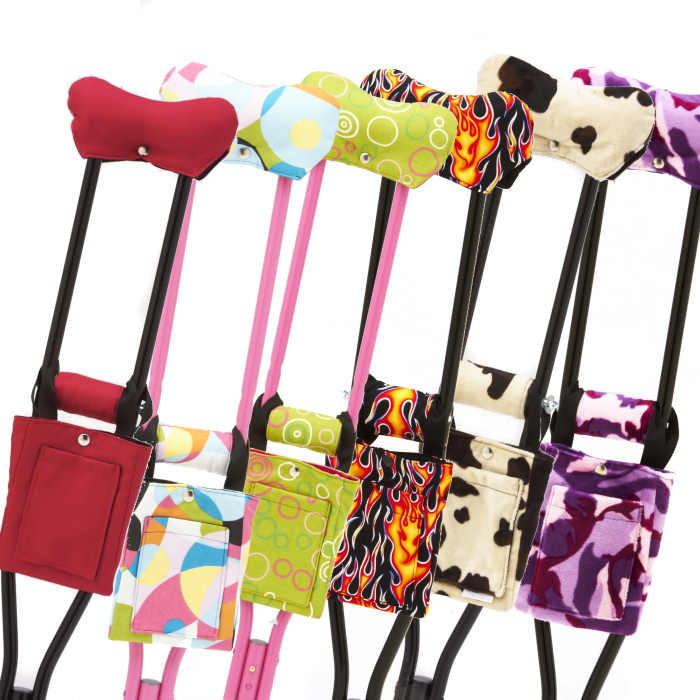
CastCoverz! CrutchWear® products are designed to help make crutch recovery more comfortable and less frustrating.
CrutchWear® Features
- Soft padded comfort
- Helps reduce underarm irritation
- Cushions hand pressure
- Helps minimize friction and rubbing
- Durable washable fabrics
- Non-slip materials (no slippery nylon)
- Available in cotton, fleece, and faux fur styles
- Fun colors and patterns
- Matching crutch bags available
- Proudly MADE IN THE USA
Many patients also appreciate adding a little personality and comfort to something they rely on every day during recovery.
Don’t Forget the Crutch Bag
One of the most frustrating parts of crutch recovery is realizing you suddenly have no free hands.
A crutch bag can help carry:
- phones
- chargers
- medications
- water bottles
- snacks
- keys
- recovery essentials
without awkward balancing or bag slipping.
Helpful Crutch Recovery Tips
Wear Supportive Shoes
Good footwear can help improve stability while using crutches.
Avoid:
- slippery sandals
- unstable shoes
- uneven footwear
Stretch Your Hands & Shoulders
Gentle stretching may help reduce stiffness from repetitive crutch use.
Watch for Numbness or Tingling
If you experience:
- numb fingers
- tingling
- severe pain
- swelling
- arm weakness
contact your doctor.
Recovery Is Hard Enough. Comfort Helps
Orthopedic recovery already asks a lot from your body.
Small comfort improvements can make a surprisingly big difference emotionally and physically during healing.
At CastCoverz!, we believe recovery products should help patients feel more comfortable, confident, and supported every step of the way.
Healing takes time, but comfort can help every step (and every night) feel a little easier. If you have any questions, give us a call at 1-800-CASTCOVER (9am-2 pm PST, M-F) or email cs@castcoverz.com.
Related Recovery Resources
You may also find these helpful during orthopedic recovery: