It's FriYAY!!! :) FREE SHIPPING & NO MINIMUMS! WOW! Ends Tonight, FriYAY the 16th!! USA D2C on-line orders only.
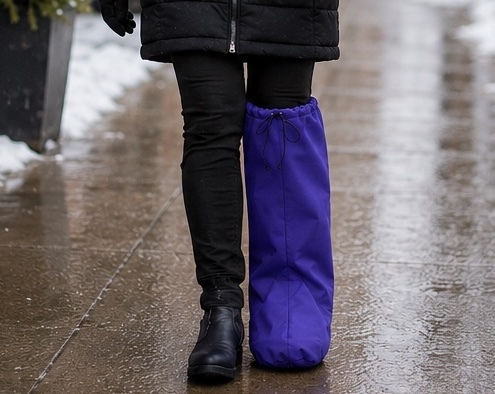
Recovering from a leg injury doesn't mean life stops when the weather changes. Whether you're walking through summer heat, cold winter mornings, rainy afternoons, or windy days, the weather can affect both your comfort and your recovery device.
This guide shares practical tips to help you stay comfortable while protecting your cast, brace, crutches, or walking boot in every season.
Biggest Challenge: Staying comfortable and protecting your recovery device in changing weather conditions.
Most Common Questions: Can I wear my walking boot in the rain? Will heat make my leg swell? Is it safe to walk in snow? How do I protect my cast outdoors?
What Helps Most: Planning ahead, dressing for the weather, protecting your recovery device, and giving yourself extra time when conditions aren't ideal.
Good News: A little preparation can help you stay comfortable and confident no matter the season.
Weather can affect more than your plans for the day. Heat may increase swelling, cold temperatures can make muscles and joints feel stiff, and rain, snow, or ice may create slippery conditions that make walking more challenging. Knowing what to expect can help you stay comfortable while protecting your recovery.
Summer heat can make a cast, brace, or walking boot feel warmer than usual. Many patients also notice increased swelling after spending time outdoors. Staying hydrated, taking breaks in the shade, and elevating your leg when you return home may help improve comfort.
Cold temperatures may make your recovery device feel stiff and can leave your foot or leg feeling colder than usual. Dressing in warm layers and protecting exposed areas can help you stay more comfortable while spending time outside.
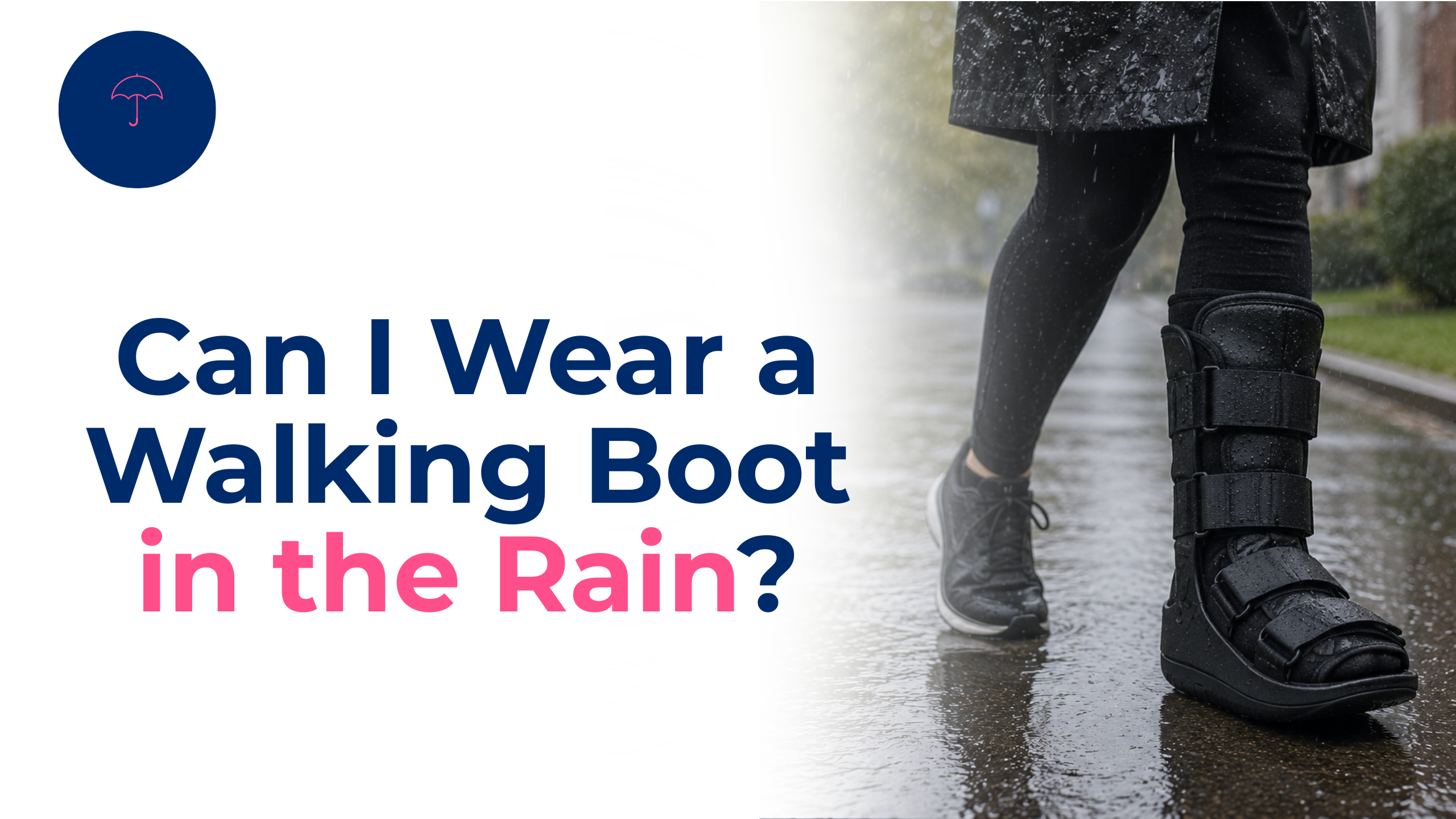
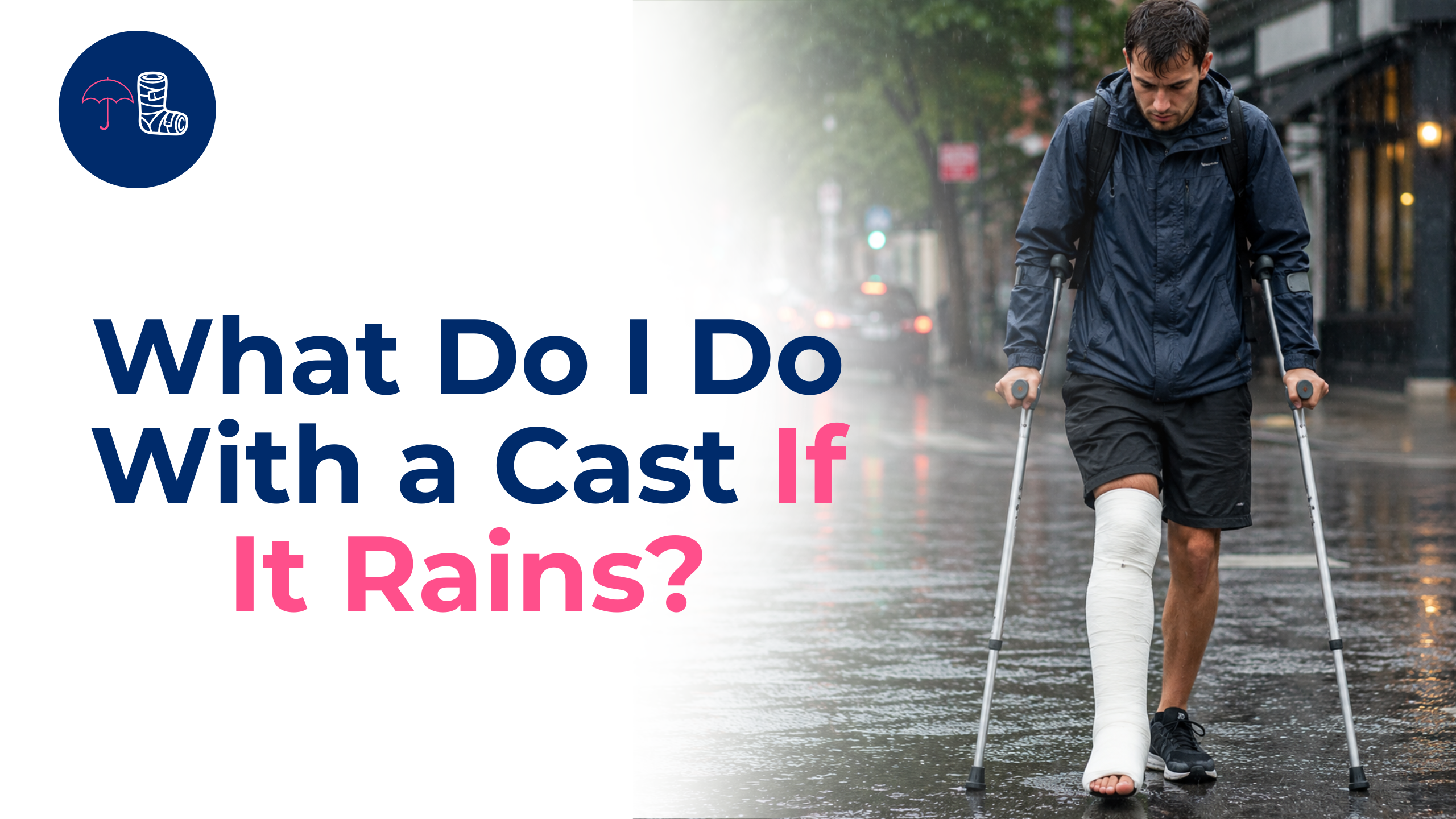
Rain, puddles, wet sidewalks, and muddy trails can make getting around more difficult. Slippery surfaces also increase the risk of losing your footing, especially if you're using crutches. Waterproof and weatherproof covers can help protect your recovery device while you're outdoors.Learn More: Can I Wear a Walking Boot in the Rain?
Snow and ice require extra caution during recovery. Take shorter steps, allow yourself extra time, and use handrails whenever possible. If you're using crutches, be especially careful on slippery surfaces.
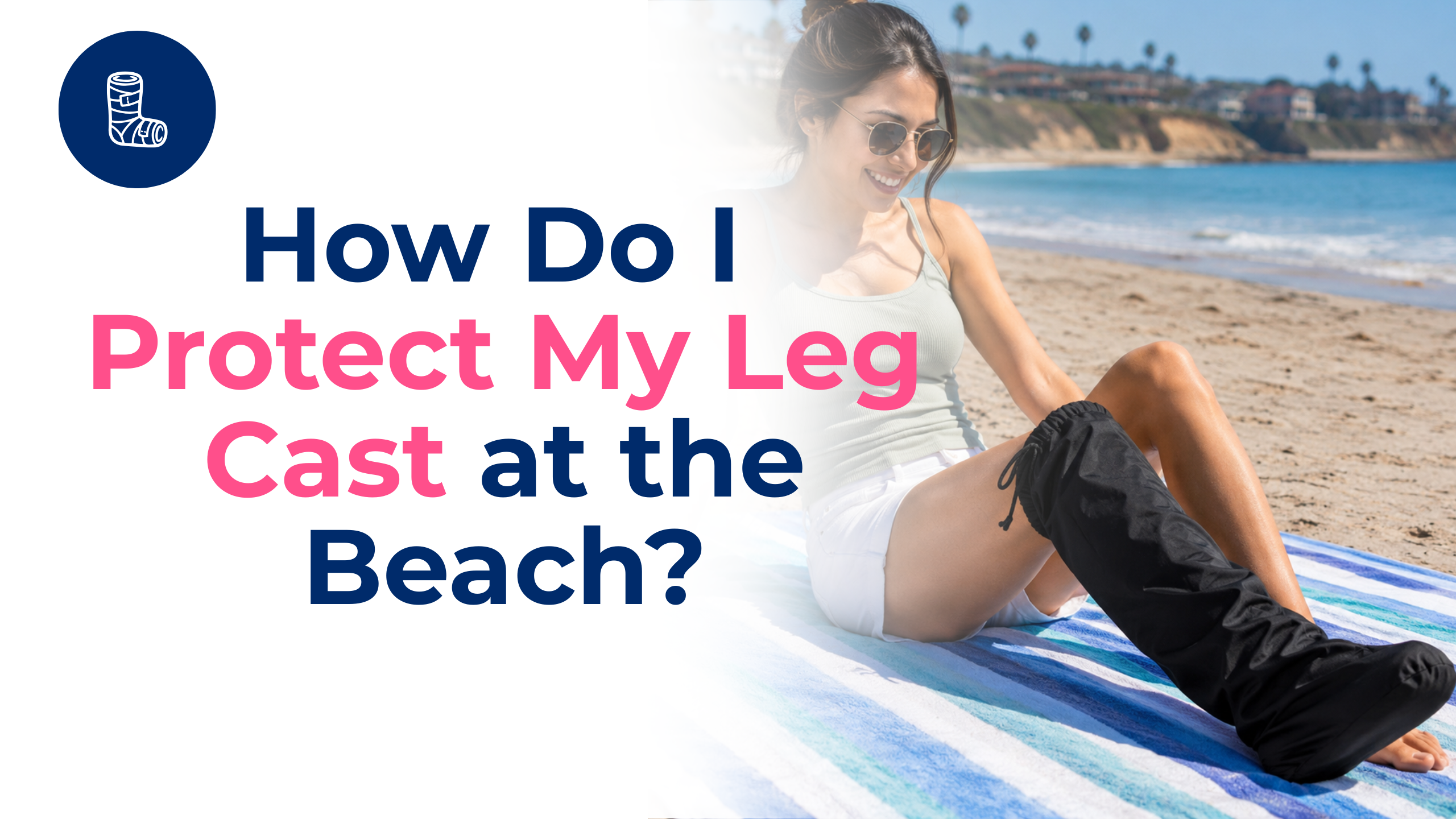
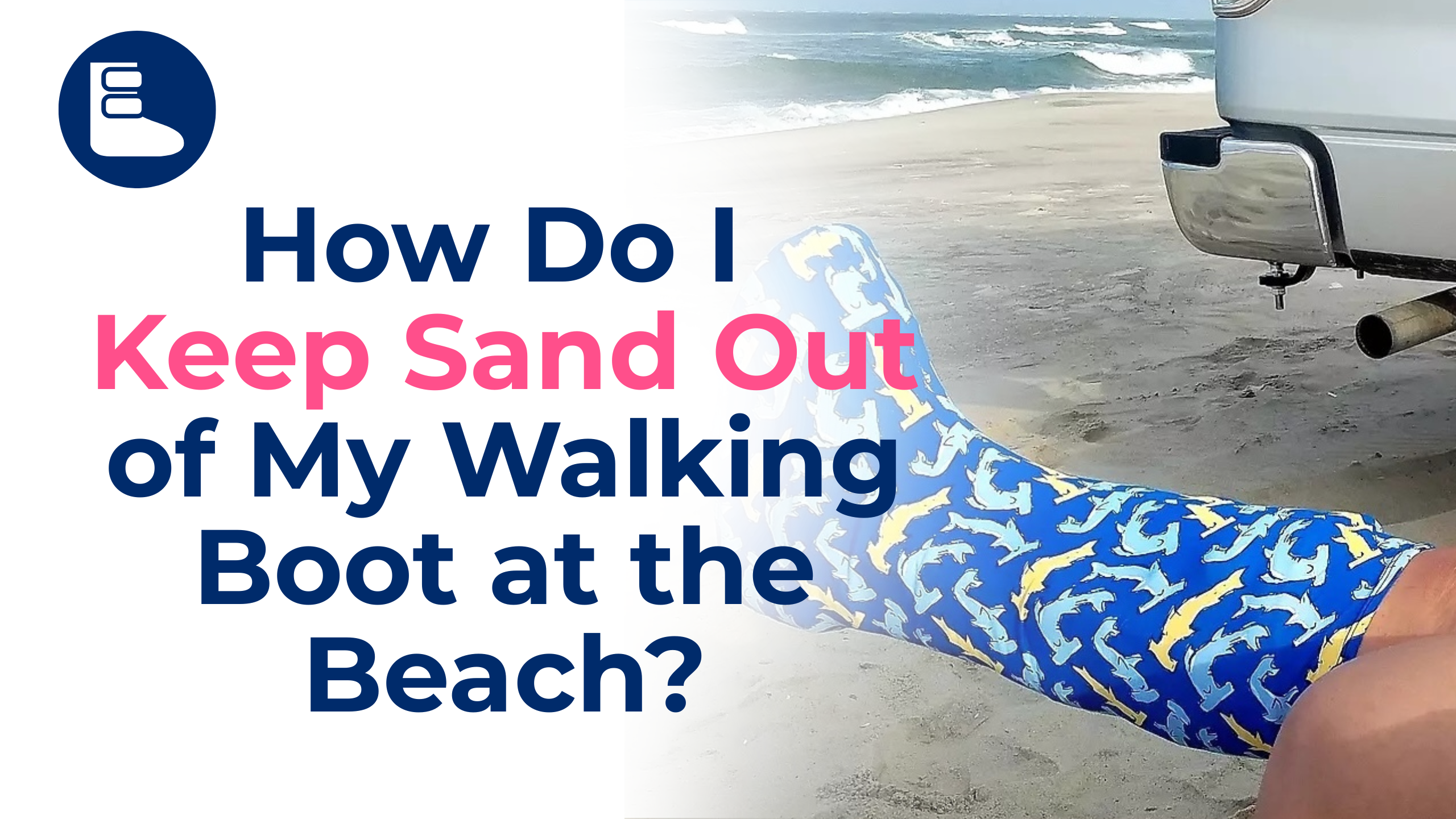
Many patients use weatherproof walking boot covers, cast protectors, crutch accessories with improved grip, and waterproof covers to help protect their recovery device from rain, mud, dirt, and changing weather conditions.
Most people think about protecting a cast in the shower. They do not always think about the rainstorm that starts while they are at work or the cold morning school drop-off. Over the past 17+ years, we have learned that small preparations make a real difference. Checking the weather, choosing easier clothing, and carrying protection for your cast, brace, walking boot, or crutches can help you feel more confident about leaving the house.

Second time buyer. Quality is second to none.
My son has had multiple surgeries on his foot, this product allows him to continue to enjoy playing outside without worries of damaging his cast. Holds up too weather as well as the wear and tear he puts it through.
Fits & works perfectly for quick & easy weather protection.
Used first with plaster cast and now with my Aircast boot. To be safe, I also wore rain pants over this cover to keep any water from entering past the drawstring & it worked fine in both rain & snow with no issues. It made the process of covering the boot for the weather so much easier. Hopefully I won't need to, but I would definitely but this again.
Works great
When I hurt my leg in Sitka Alaska where we get 100+ inches of rain. And Amazon will take 3 weeks to ship anything here I was super happy castcover makes water proof cover and can ship fast
A Winter Must-Have!
The open toes of an Aircast is not a good combination with winter in MN! This bootguard allows me to get out of the house without worrying that I'll add frostbitten toes to my injury!
Most walking boots are not waterproof. Rain, puddles, wet grass, and mud can soak the fabric and make the boot uncomfortable. A weatherproof walking boot cover may help protect it when you need to go outside.
Wet sidewalks can be slippery, especially when using crutches. Move slowly, take shorter steps, use handrails when available, and check that your crutch tips are in good condition before heading outside.
Some patients notice more swelling during hot weather or after spending time outside. Staying hydrated, taking breaks, and elevating your leg when you return home may help. Contact your provider if swelling becomes severe or suddenly worsens.
Cold weather may make muscles and joints feel stiff, and exposed toes or skin may feel colder than usual. Warm layers and weather protection can help, but avoid placing direct heat against your cast, brace, or skin.
Use waterproof or weatherproof protection designed to fit over your cast. Make sure the cover is secure before going outside, and avoid deep puddles or prolonged exposure to heavy rain whenever possible.
Snow can make a walking boot wet, dirty, and slippery. Use weather protection and move carefully on snowy or icy surfaces. Ask for help or avoid going outside when conditions do not feel safe.
Choose clothing that fits comfortably around your boot and wear a supportive shoe on your uninjured foot. Dress in layers and use a protective cover when rain, snow, mud, or cold weather is expected.
Check the manufacturer's instructions before cleaning it. Many outer surfaces can be wiped with a damp cloth, while removable liners may have separate washing directions. Let all parts dry completely before wearing the boot again.
Check the rubber tips regularly and replace them if they are worn, cracked, or smooth. Keep the tips free of mud, water, and debris, and take extra care on tile, wet pavement, snow, and ice.
Contact your provider if your cast, brace, or walking boot becomes soaked or damaged, or if you notice increasing pain, severe swelling, numbness, changes in skin color, pressure sores, drainage, odor, or anything else that concerns you.
A little preparation can help you stay comfortable in every season while you heal.
From hot summer afternoons to cold, rainy mornings, You Heal Here is here to help you protect your cast, boot, or brace and manage the everyday challenges that come up between your appointments.
If this guide helped you feel more prepared, less overwhelmed, or simply reminded you that you are not alone, then it has done exactly what You Heal Here was created to do.
Helping You Live Life While You Heal.
Have questions about living with a cast, brace, sling, or walking boot?
Call us at 1-800-CASTCOVER
Monday–Friday, 9 a.m.–2 p.m. PT
Or email cs@castcoverz.com
You Heal Here provides practical recovery support and everyday living guidance, but it is not a substitute for medical advice. Always follow your healthcare provider's instructions.