
Sometimes the hardest part of recovery isn't the broken bone... it's how much your entire life changes.
If you've found yourself thinking:
-
"Why is this so much harder than I expected?"
-
"I'm frustrated all the time."
-
"I just want my normal life back."
You're not alone.
At You Heal Here, we've spent more than 17 years talking with people recovering from broken bones, surgeries, sprains, and orthopedic injuries. One thing we've learned is that recovery isn't just physical. It affects your routines, your independence, your confidence, and sometimes even your mood.
Recovery Changes More Than Your Body
When you first leave the doctor's office, your focus is usually on the injury itself.
- How long will I wear this?
- Can I shower?
- Will I need surgery?
- When can I walk again?
But after a few days, another challenge often appears.
Life suddenly becomes... harder.
Simple tasks you never thought about can take twice as long.
Getting dressed.
- Sleeping comfortably.
- Making dinner.
- Driving.
- Walking the dog.
- Going to work.
- Playing with your kids.
- Even pouring a cup of coffee can become frustrating.
It's not just the injury—it's the constant reminders that life isn't operating the way it normally does.
The Mental Load of Recovery
Healing requires patience, and patience is difficult when your daily routine has been completely interrupted.
Many people describe feeling:
- Frustrated by losing independence
- Embarrassed by needing help
- Isolated because they can't participate in normal activities
- Restless from being less active
- Impatient with how slowly healing seems to progress
These feelings don't mean you're "handling recovery badly."
They simply reflect how much your normal life has changed.
You're Constantly Thinking About Your Injury
One thing surprises many patients.
Your injury follows you everywhere.
- Every shower requires planning.
- Every trip outside depends on the weather.
- Every outfit has to fit over a cast or walking boot.
- Every staircase takes extra concentration.
- Every night you have to figure out how to get comfortable enough to sleep.
Instead of healing happening quietly in the background, recovery often becomes something you're thinking about dozens of times every day.
That mental energy adds up.
Recovery Can Feel Lonely
Friends and family often mean well.
After the first week, they may assume you're doing much better because the excitement of the injury has worn off.
But many orthopedic recoveries last weeks—or even months.
You may still be struggling long after everyone else has moved on.
People can't always see your discomfort, your fatigue, or how much extra effort everyday tasks require.
That can make recovery feel surprisingly isolating.
Small Wins Matter More Than You Think
One lesson we hear repeatedly from patients is that recovery often improves one small victory at a time.
- The first comfortable night's sleep.
- The first shower that doesn't feel stressful.
- The first walk outside.
- The first time you carry your own groceries.
- The first day you forget about your injury for an hour.
Those moments remind you that progress is happening—even when it feels slow.
Give Yourself Permission to Adjust
Many people expect themselves to keep up with life exactly as they did before their injury.
But healing often means temporarily adjusting expectations.
- You might need extra time to complete everyday tasks.
- You may have to say no to certain activities.
- You may need help carrying things, driving, or reaching high shelves.
Accepting those temporary changes isn't giving up.
It's allowing your body the time it needs to heal.
Practical Ways Patients Make Recovery Easier
While every injury is different, many people find it helpful to:
- Create a comfortable recovery space at home.
- Keep frequently used items within easy reach.
- Wear clothing that's easy to put on and remove.
- Stay connected with friends and family, even if you're less active.
- Celebrate small milestones instead of focusing only on the finish line.
- Find products that make everyday tasks more comfortable and convenient.
Sometimes reducing just one daily frustration can make the entire recovery experience feel more manageable.
Products that may help
- CastCoverz! Armz!, Legz! and Bootz!: Stretchy covers that help keep arm casts and braces clean, protecting them from dirt and everyday wear while making them look and feel more comfortable.
- Sleeperz! – Soft cast and brace covers designed to improve comfort while resting or sleeping.
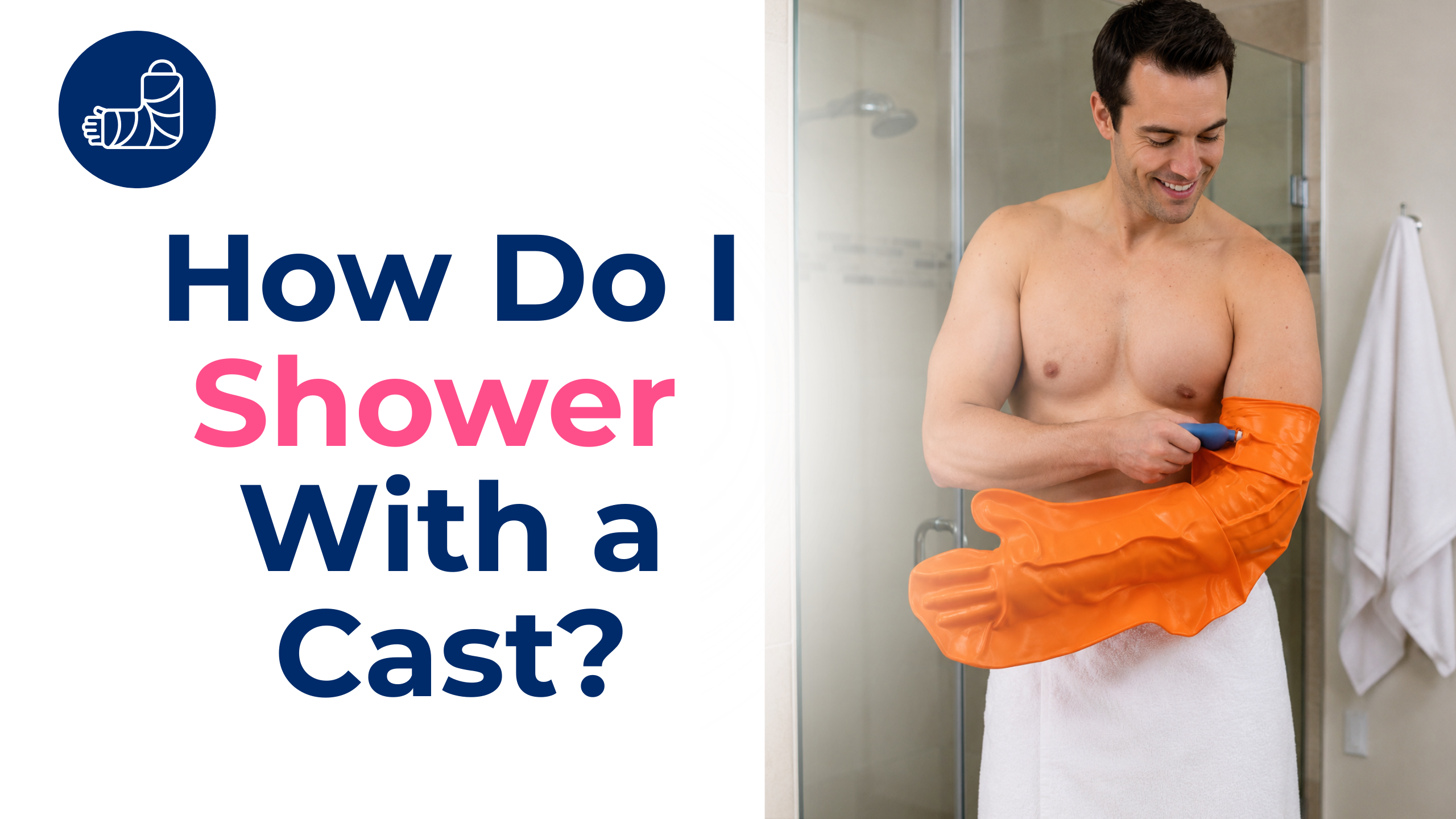
- Waterproof Protection- Helps keep casts and bandages dry while showering or bathing.
- Walking Comfort - EVENup® Shoe Balancer – Helps level your gait while wearing a walking boot, which may reduce discomfort in the hips, knees, and back caused by leg-length differences.
We've Been Listening for 17 Years
At You Heal Here, we've spent nearly two decades listening to people recover from orthopedic injuries.
Again and again, we hear the same thing:
"Nobody told me how much everyday life would change."
That's why You Heal Here exists.
Not to replace your medical team, but to help with everything that happens between appointments—the real-life challenges of living with casts, braces, slings, crutches, and walking boots.
Because healing isn't just about bones.
It's about helping you live your life while your body does the work of recovering.
Frequently Asked Questions
Is it normal to feel frustrated during recovery?
Many people find orthopedic recovery emotionally challenging because everyday routines suddenly become much more difficult. Feeling frustrated doesn't necessarily mean anything is wrong—it often reflects how disruptive an injury can be.
Why does recovery feel so slow?
Bones, tendons, ligaments, and surgical repairs heal gradually. Even when your body is making steady progress, day-to-day improvements can be difficult to notice.
Will I eventually adjust to wearing a cast or walking boot?
Most people find that the first week is the biggest adjustment. As new routines develop, many daily tasks become easier, even before the injury has fully healed.
What can make recovery feel easier?
Planning ahead, asking for help when needed, staying connected with others, and finding solutions that make everyday activities more comfortable can all reduce some of the stress that comes with recovery.
Related Recovery Resources
You may also find these helpful:
- How Do I Shower With a Cast?
- Going to the Beach While Wearing a Cast or Walking Boot
- How to Sleep Comfortably With a Cast or Walking Boot
- Comfort Recovery Solutions
- Weatherproof Recovery Tips
- Arm, Hand & Wrist Recovery
- Leg, Knee & Ankle Recovery
Healing takes time, but comfort can help every step (and every night) feel a little easier. If you have any questions, give us a call at 1-800-CASTCOVER (9am-2 pm PST, M-F) or email cs@castcoverz.com.
Medical Disclaimer: You Heal Here provides educational information and practical recovery support for orthopedic patients and caregivers. This information is not a substitute for medical or mental-health advice, diagnosis, or treatment. Emotional frustration can accompany recovery, but persistent sadness, anxiety, hopelessness, isolation, or difficulty coping should be discussed with a qualified healthcare or mental-health professional. Contact your healthcare provider if you have concerns about your physical or emotional recovery. If you are in immediate danger or experiencing thoughts of self-harm, call or text 988 in the United States or contact local emergency services.