
It's FriYAY!!! :) FREE SHIPPING & NO MINIMUMS! WOW! Ends Tonight, FriYAY the 16th!! USA D2C on-line orders only.
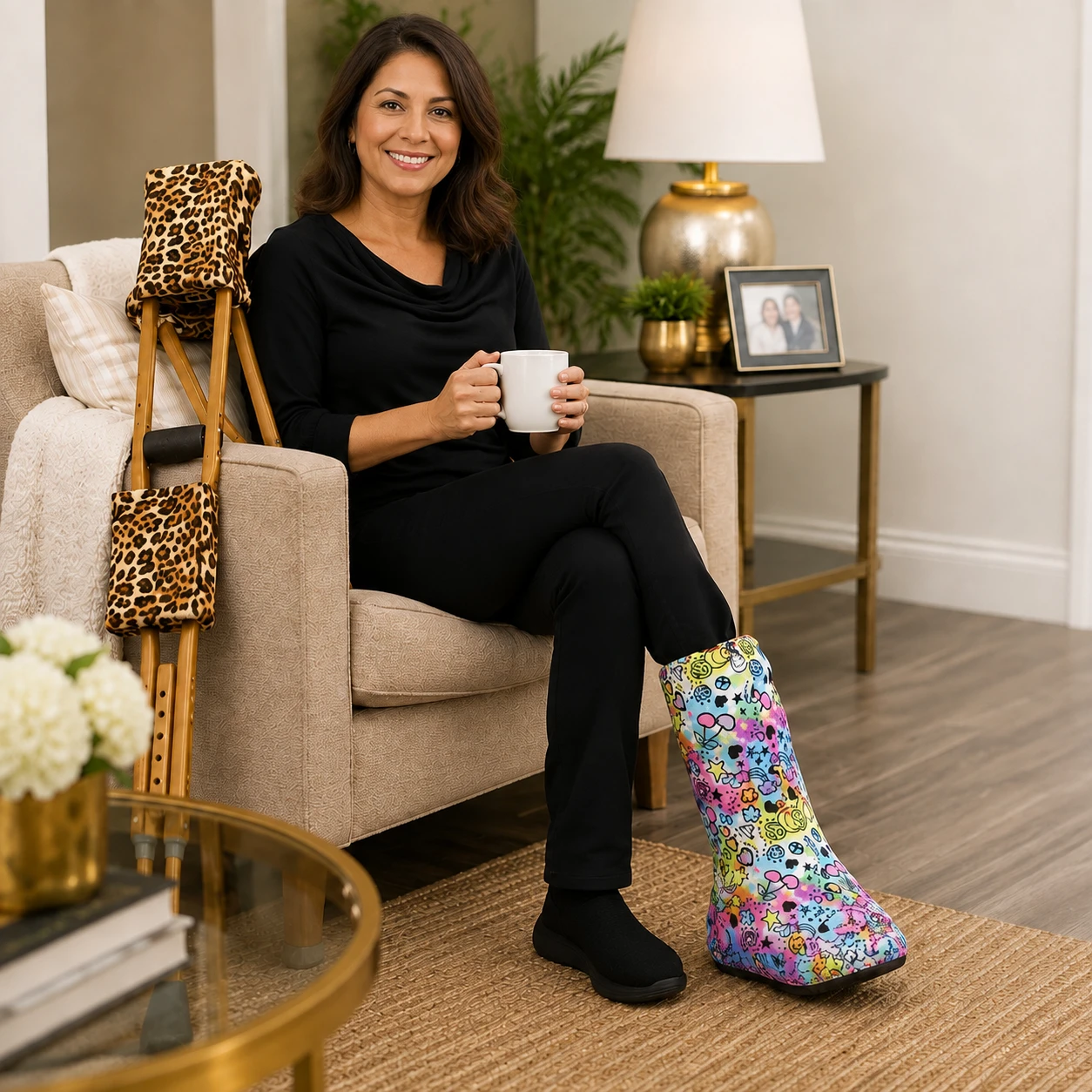
Life doesn't stop because you're wearing a walking boot. But after an injury, even the simplest parts of everyday life can suddenly feel unfamiliar.
If any of that sounds familiar, you're in the right place.
At You Heal Here, we believe recovery is about more than healing bones. It's about helping you continue living your life while your body heals. Whether you're recovering from a fracture, severe sprain, surgery, or another foot or ankle injury, this guide will walk beside you through the everyday challenges of recovery, with practical advice, real-world solutions, and encouragement from people who truly understand what you're going through.
Because healing happens at home.
Biggest Challenge: Staying mobile while protecting your foot or ankle as it heals.
Most Common Questions: Can I sleep in my walking boot? When can I drive? Is swelling normal? How much weight can I put on my foot?
What Helps Most: Following your healthcare provider's weight-bearing instructions, managing swelling, wearing your boot correctly, and taking recovery one day at a time.
Good News: The first week is usually the biggest adjustment. As you settle into a routine, most patients find that walking and everyday activities become much easier.
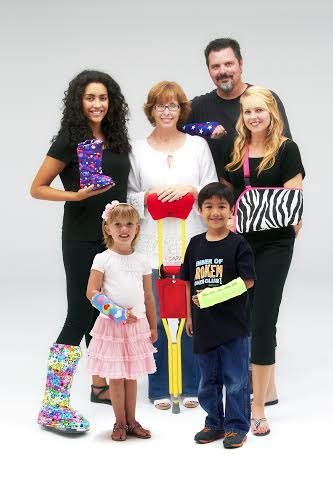
Most recovery resources explain your injury. You Heal Here helps you navigate your life.
Your orthopedic provider is your trusted source for medical diagnosis, treatment, and healing. We're here for everything that happens after you leave the office. The questions that arise at home, at work, during travel, or in the middle of the night when you're searching for answers no one mentioned at your appointment.
For more than 17 years, the team behind CastCoverz! and You Heal Here has supported thousands of orthopedic patients through recovery. We've listened to their frustrations, celebrated their victories, and learned that some of the biggest challenges aren't medical at all, they're the everyday moments that suddenly become harder.
That's why You Heal Here was created. Welcome. We're glad you're here.
Helping You Live Life While You Heal.
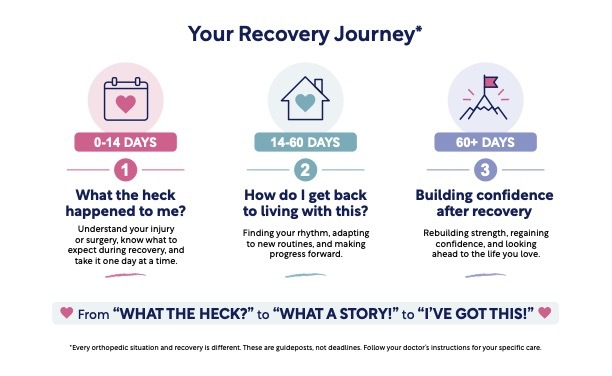
Eventually, your healthcare provider will determine when it's time to transition out of your walking boot. While that milestone is exciting, remember that recovery doesn't always happen in a straight line. Some days you'll feel stronger than others. Celebrate the progress you've made, be patient with yourself, and continue following your provider's recommendations. Every step forward—no matter how small—is part of your recovery story.
Recovery Mindset: Try not to measure recovery only by the calendar. Measure it by the moments. The first time you sleep through the night. The first walk that feels easier than the last. The first outing where you forget about your walking boot for a little while. Those are milestones worth celebrating, too.
One of the biggest surprises about wearing a walking boot is realizing how many ordinary activities suddenly require a little extra thought.
Whether you're heading to work, taking care of your family, traveling, or simply trying to get comfortable at home, the small challenges of everyday life can sometimes feel bigger than the injury itself.
The good news? Most patients find that a few simple adjustments can make daily life much easier.
You may find yourself moving more slowly, avoiding unnecessary trips up and down the stairs, or rearranging your daily routine to conserve energy. Many patients also discover that keeping frequently used items within easy reach, sitting down while getting dressed, and planning activities ahead of time helps reduce frustration during the first few weeks.
Returning to work can feel like an important step toward normalcy, but it often comes with new questions: Will I be standing all day? How do I navigate long hallways? Will people ask about my injury? Depending on your job and your provider's recommendations, you may need temporary accommodations or simply allow yourself a little more time throughout the day.
Walking between classes, carrying books or backpacks, participating in activities, and simply keeping up with friends may require a little extra planning. Recovery doesn't mean putting life completely on hold—it means finding new ways to participate while you heal.
Long walks through airports, standing in lines, loading groceries into the car, or navigating unfamiliar places can be more tiring than expected. Whenever possible, give yourself extra time, accept help when it's offered, and remember that slowing down for a few weeks is part of taking care of yourself.
Finding a comfortable sleeping position, managing blankets around the boot, and simply getting enough rest can take patience. The good news is you're not alone. We've created an entire Walking Boot Sleep & Rest Guide with practical ideas to help make bedtime more comfortable.
Loose-fitting pants, dresses, shorts, or clothing with wider leg openings often make getting dressed easier. Many patients also choose shoes that help balance the height difference created by the boot. Small adjustments like these can make mornings feel much less stressful.
It's natural to feel disappointed if you have to skip activities, change travel plans, or attend social events wearing a large orthopedic boot. But recovery doesn't mean disappearing from your life. Your walking boot may change how you do some things for a while, but it doesn't have to keep you from living your life.
Every recovery brings questions, and sometimes the biggest challenges aren't the ones you expected.
Over the past 17+ years, we've heard thousands of questions from patients wearing walking boots. Many of them have nothing to do with the injury itself—they're about sleeping, walking comfortably, keeping the boot clean, getting through daily life, and wondering if what they're experiencing is normal.
Below are some of the most common walking boot questions we receive. Each topic links to a more detailed You Heal Here guide with additional tips and practical solutions.
One of the most common surprises about wearing a walking boot is that the discomfort isn't always in your injured foot. Because a walking boot adds height to one leg, it can temporarily change the way you walk. This uneven gait may place extra stress on your hips, knees, or lower back, especially during the first few weeks of recovery.
Many people develop a temporary limp while wearing a walking boot, even if they're following their provider's instructions perfectly. Changes in balance, leg height, weight distribution, and confidence can all affect the way you walk. As your body adjusts, your walking pattern often becomes more natural.
Blankets. Pet hair. Carpet fibers. Pajamas. If it feels like your walking boot is grabbing onto everything around you, you're definitely not imagining it. The hook-and-loop fasteners used on many orthopedic boots are incredibly effective—but they can also cling to fabrics and household items in frustrating ways.
Rainy days can quickly turn into messy days when you're wearing a walking boot. Most orthopedic walking boots aren't designed to be waterproof, and exposure to rain, puddles, mud, or snow can leave your boot damp, dirty, and uncomfortable.
For many patients, nighttime is the hardest part of recovery. Finding a comfortable position, preventing the boot from catching on blankets, and simply getting enough rest can take patience and a little creativity.
Walking boots collect dirt surprisingly fast. Whether it's dust around the house, pet hair, grass clippings, mud, or sand at the beach, keeping your boot clean can make recovery feel more comfortable—and help your boot look better throughout the healing process.
Showering is one of the first practical questions many patients ask after leaving their orthopedic appointment. Depending on your injury and your provider's instructions, you may need to remove the boot, keep it dry, or use protective equipment while bathing.
Whether it's commuting to work, picking up groceries, or taking your kids to school, many people wonder when it's safe to drive again. Driving recommendations depend on which foot is injured, your specific treatment plan, and your healthcare provider's guidance.
Many people don't realize that choosing the right shoe on your uninjured foot can make walking feel more balanced and comfortable. Supportive footwear may help improve stability and reduce some of the uneven feeling created by the walking boot.
While many frustrations are a normal part of recovery, some symptoms deserve prompt medical attention. If you experience increasing pain, significant swelling, numbness, changes in skin color, new pressure sores, or concerns about your healing, contact your orthopedic provider right away. Your healthcare team is always the best source of medical advice for your specific recovery.
Many patients choose an EVENup® Shoe Balancer to help create a more even walking surface on their opposite foot.
Many patients like protecting their boot with a washable cover that helps it stay cleaner throughout recovery.
If you need to be outside, additional protection can help shield your boot from rain, slush, mud, and snow.
Many patients use a soft sleep cover to make bedtime feel a little cozier.
Note: We don't recommend products simply because we make them. We recommend them because they solve everyday problems we've heard from orthopedic patients for more than 17 years. If a product helps make recovery a little more comfortable, a little cleaner, or a little less frustrating, it's worth sharing. Whether you choose our products or another solution, our goal is the same: Helping You Live Life While You Heal.
Over the past 17+ years, we've had the privilege of hearing from thousands of people recovering from fractures, surgeries, sprains, and other orthopedic injuries. While every injury is different, the stories we hear often have something in common. Patients rarely tell us about X-rays or diagnoses. They tell us about life.
"Sleeping was harder than I expected."
Many people are surprised that nighttime becomes one of the most challenging parts of recovery. Finding a comfortable position, managing blankets around a walking boot, and simply getting enough rest can take patience.
"I didn't realize how dirty my walking boot would get."
Between grocery stores, sidewalks, pet hair, grass, and everyday life, walking boots collect dirt much faster than most people expect. Keeping the boot clean helps many patients feel more comfortable and confident throughout recovery.
"I just wanted to feel like myself again."
For many people, a walking boot isn't just a medical device — it's something they wear everywhere. To work. Family gatherings. Vacations. School. Weddings. Many patients tell us they simply wanted to feel a little less self-conscious while recovering.
"The little things were the hardest."
Getting dressed. Carrying groceries. Walking the dog. Cooking dinner. Climbing stairs. Recovery isn't usually defined by one big challenge. It's the dozens of small adjustments that gradually become part of everyday life.
"It got easier."
This is something we hear again and again. The first few days often feel overwhelming. Then routines begin to form. Confidence grows. Recovery starts feeling less like something you're surviving and more like something you're moving through. And that's one of our favorite things to hear.
You don't have to have all the answers today.
Every person heals differently, but one thing we've learned from thousands of orthopedic patients is this:
The challenges you're experiencing are often the same ones someone else faced just a few weeks ago. You're not the first person to wonder if walking will ever feel normal again. You're not the first person to struggle with sleeping. You're not the first person to feel frustrated.
And you won't be the last person to discover that recovery gets a little easier with time.
Recovery doesn't begin or end in the doctor's office. It happens at home.
It's learning how to shower safely, finding a comfortable way to sleep, figuring out how to get through work or school, and wondering if what you're experiencing is normal. Those everyday moments are rarely covered during a medical appointment, yet they're often the biggest challenges patients face.
That's why You Heal Here exists.
Our story began more than 17 years ago with one little girl named Elli. By the age of 10, Elli had already broken six bones. Like any parent, her mom, Annette, made sure she received excellent medical care. But once they arrived home, Annette realized there was another side of recovery that no one had prepared them for.
The cast was uncomfortable. It was bulky. It drew unwanted attention. Most of all, Elli no longer felt like herself.
Wanting to make recovery just a little easier, Annette created a colorful fabric cover to fit over Elli's cast. What started as a simple act of love quickly caught the attention of friends, neighbors, and even strangers who wanted one for themselves. That small idea eventually became CastCoverz!.
Over the years, we've had the privilege of helping thousands of orthopedic patients and their families through recovery. Along the way, we've learned something that continues to guide everything we do:
Recovery is about more than healing an injury. It's about helping people continue living their lives while they heal. That's the heart of You Heal Here.
We're not here to replace your orthopedic provider or offer medical advice. We're here to help with everything that happens between appointments—the practical questions, the everyday frustrations, and the little victories that come with navigating life in a cast, brace, sling, or walking boot.
If this guide helped you feel a little more prepared, a little less overwhelmed, or simply reminded you that you're not alone, then we've accomplished exactly what You Heal Here was created to do.
Helping You Live Life While You Heal.
The length of time varies depending on your injury, recovery plan, and your healthcare provider's instructions. Some people wear a walking boot for a few weeks, while others may need it longer.
Yes, many people limp while adjusting to a walking boot. The boot changes your walking pattern and may make one leg feel higher than the other.
It can. Because a walking boot adds height and changes how you walk, some people notice discomfort in the hip, knee, or lower back. If pain becomes significant or worsens, contact your healthcare provider.
Follow your provider's instructions. Some patients are told to sleep in their boot, while others are allowed to remove it. If you do need to sleep in it, soft covers, pillows, and bedding adjustments may help make nights more comfortable.
Walking boots collect dirt, dust, pet hair, mud, sand, and everyday debris quickly. Wiping the boot regularly and using a washable walking boot cover may help keep it cleaner during recovery.
Your provider should tell you whether your boot can be removed for bathing. Most walking boots are not waterproof, so if the boot or dressing needs to stay dry, use a waterproof protection option designed for orthopedic recovery.
Most walking boots are not made for wet weather. Rain, puddles, snow, and mud can make the boot damp, dirty, and uncomfortable. Weather protection may help if you need to go outside.
Loose pants, shorts, dresses, or clothing with wider leg openings are often easier to manage. A supportive shoe on your opposite foot may also help you feel more balanced.
Driving depends on your injury, which foot is affected, your mobility, and your provider's guidance. Always ask your healthcare provider before driving in a walking boot.
Contact your provider if you notice increasing pain, severe swelling, numbness, tingling, skin color changes, pressure sores, drainage, odor, or anything that feels concerning during recovery.
Healing takes time, but comfort can make each day of recovery feel a little easier.
Your healthcare provider is the best source for medical advice, treatment instructions, and decisions about your injury. You Heal Here is here for everything that happens in between—the sleeping, showering, walking, working, traveling, dressing, adjusting, and living that still has to happen while you heal.
If this guide helped you feel more prepared, less overwhelmed, or simply reminded you that you are not alone, then it has done exactly what You Heal Here was created to do.
Helping You Live Life While You Heal.
Have questions about living with a cast, brace, sling, or walking boot?
Call us at 1-800-CASTCOVER
Monday–Friday, 9 a.m.–2 p.m. PT
Or email cs@castcoverz.com
You Heal Here provides practical recovery support and everyday living guidance, but it is not a substitute for medical advice. Always follow your healthcare provider's instructions.